


Tripotassium Phosphate
2. Molecular Formula:K3PO4· nH2O
3. Molecular Weight: anhydrous: 212.27
4. CAS: 7778-53-2
Description
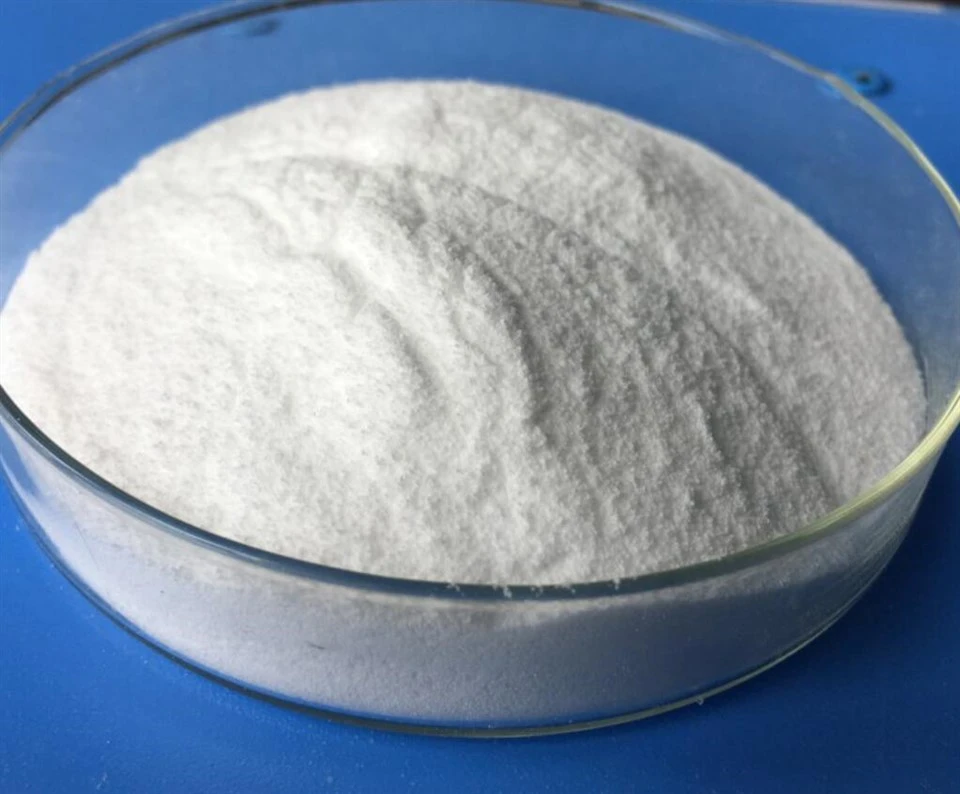
Tripotassium Phosphate (chemical formula K₃PO₄) is an inorganic compound obtained by the complete neutralization reaction of phosphoric acid and potassium hydroxide. It is a ternary potassium salt and is a white hygroscopic powder under normal conditions. It is one of the commonly used inorganic salt raw materials in agriculture, food, laboratories and industrial systems.
Features
Suitable for efficient alkalinity regulation
Tripotassium Phosphate is a white crystalline or granular solid, odorless, hygroscopic, with a molecular formula of K₃PO₄·nH₂O and an anhydrous molecular weight of 212.27. It completely dissolves in water to form a strongly alkaline solution, and the pH value of a 1% aqueous solution can generally reach about 11.5. This alkalinity comes from its ionization in water to produce 3 K⁺ and 1 PO₄³⁻, which increases the OH⁻ concentration in the solution. Therefore, it is widely used in processes that require alkaline conditions such as food, fermentation, and cleaning preparations to control the pH value of the system and improve the reaction rate.
Strong phosphate chelating ability
The PO₄³⁻ ions in Tripotassium Phosphate can form stable complexes with metal ions such as Cu²⁺ and Fe³⁺, and have good chelating ability. Metal ions can easily catalyze oxidation reactions in food systems, causing lipid spoilage and color changes, while PO₄³⁻ chelates metals to inhibit these reaction pathways, thereby extending the shelf life of products and improving food quality stability. In actual formulations, this property makes it often used as a synergist or system stabilizer for antioxidants, especially for meat products, beverages, and food systems with more lipids.
Providing potassium and phosphorus nutrition at the same time
Tripotassium Phosphate contains 3 K⁺ and 1 PO₄³⁻, which has a nutritional supplement function. Its potassium content is about 55.1%, and phosphorus is about 31% in terms of P₂O₅. Both are essential minerals for the human body. Potassium participates in nerve conduction and water-salt balance, and phosphorus is required for cell metabolism. Tripotassium Phosphate is suitable for food and beverage formulations and fermentation media for mineral fortification.
1. Chemical Name: TRIPOTASSIUM PHOSPHATE
2. Molecular Formula: K3PO4· nH2O
3. Molecular Weight: anhydrous: 212.27
4. CAS: 7778-53-2
5. Character: White crystal or granule, odorless, hygroscopic; relative density: 2.564.
6. Uses: In food industry, it is used as buffering agent, chelating agent, yeast food, emulsifying salt, and synergistic agent of anti-oxidation.
7. Packing: It is packed with polyethylene bag as inner layer, and a compound plastic woven bag as the outer layer. The net weight of each bag is 25kg.
8. Storage & Transportation:It should be stored in a dry and ventilating warehouse. Be cautious to keep away from moisture and hot. Unloaded with care, so as to avoid the damage. Furthermore, it should be stored separately from poisonous substances.
FAQ
Q: What is Tripotassium Phosphate (TKP)?
A: Tripotassium Phosphate is an inorganic compound with the chemical formula K₃PO₄. It is usually a white crystalline powder or granules, has strong alkalinity, and is widely used in many industrial and food fields.
Q: What are the basic physical and chemical properties of TKP?
A: TKP is highly water-soluble, has a high pH value, an alkaline reaction, is stable at room temperature, is easily hygroscopic, and has good buffering, chelating and emulsifying functions.
Q: How many forms does TKP have?
A: There are mainly anhydrous and hydrated forms (such as trihydrate), which are slightly different in water content, density and dissolution rate. When purchasing, you need to choose according to the specific purpose.
Q: What is the role of TKP in the food industry?
A: It is mainly used as an emulsifier, pH regulator and anti-caking agent in food. It is widely used in cheese, processed meat products and instant beverages. It is also used in some low-sodium products to replace trisodium phosphate.
Q: What are the typical quality parameters of food-grade TKP?
A: Usually, the purity is ≥97%, the pH range is 11.5–12.5, and the content of heavy metals (such as lead and arsenic) is extremely low, which meets international food additive standards such as FCC and E340(iii).
Q: Can TKP be used in the detergent industry?
A: Yes. As a chelating agent and buffer, TKP can soften water quality and improve the decontamination effect. It is often used as an environmentally friendly phosphorus substitute in phosphorus-free detergents.
Q: What is the function of TKP in the water treatment industry?
A: TKP can adjust the pH value of water bodies, prevent scaling, and act as a corrosion inhibitor. It is suitable for use in industrial circulating water and boiler water systems.
Q: Can TKP be used as a fertilizer?
A: It can be used as part of compound fertilizer to supplement the potassium and phosphorus required by plants, promote root development and stress resistance, but the usage ratio needs to be controlled to avoid excessive phosphorus.
Q: Is TKP corrosive or toxic?
A: TKP is an alkaline salt, which is irritating to the skin and eyes. Inhalation of dust may also cause discomfort, but its acute toxicity is low and it is a low-hazard substance.
Q: What are the safety protection recommendations when using TKP?
A: Wear dust masks, gloves and goggles during operation to avoid inhaling dust or direct contact with eyes and skin. The place of use needs to be well ventilated.
Q: What should be paid attention to when storing and transporting TKP?
A: It needs to be sealed and stored in a dry and ventilated place to avoid moisture and agglomeration, and prevent contact with acidic substances; during transportation, bags should be avoided from breaking and direct sunlight.
Q: Is TKP environmentally friendly?
A: Within the normal use range, TKP is environmentally friendly and safe, but large amounts of phosphorus emissions may cause eutrophication of water bodies, so the dosage should be controlled and emission regulations should be observed.
Q: Can TKP be compounded with other additives?
A: It can be used in conjunction with other phosphates, citrates, etc. to improve product stability and function, but direct contact with strong acids should be avoided to avoid reactions.
Q: Is there a substitute for TKP? What should be considered in purchasing options?
A: It can replace some sodium phosphate or potassium dihydrogen phosphate products. Purchase can be based on product functional requirements, target market regulations and cost-effectiveness.
Hot Tags: tripotassium phosphate, China tripotassium phosphate manufacturers, suppliers, factory, phosphate for cooperation, phosphate for joint venture, phosphate for strategic alliance
Previous
Dipotassium PhosphateYou Might Also Like



Send Inquiry