


Magnesium Succinate
Magnesium Succinate (C₄H₄MgO₄) is an organic magnesium salt synthesized through precision neutralization of high-purity succinic acid and magnesium sources, followed by controlled crystallization. It functions as a bioavailable magnesium source in nutritional formulations and a specialized reaction intermediate in chemical synthesis.
Our production plant operates under strict ISO 9001 quality management frameworks, utilizing dedicated clean-reaction systems to maintain lot-to-lot traceability and chemical purity for regulated industrial sectors.
CAS Number: 556-32-1 (Anhydrous and Hydrate variants available)
Chemical Formula: C₄H₄MgO₄
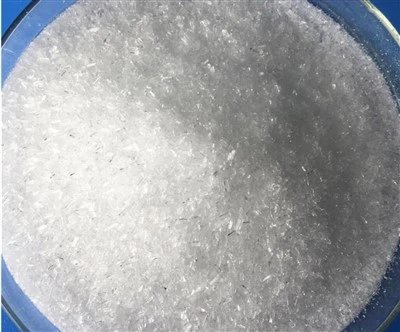
Appearance: White to off-white crystalline powder
Solubility: Slightly soluble in water; insoluble in organic solvents
Key Specifications
Standard commercial specifications. Custom parameters available upon technical review.
|
Test Item |
Specification Standard |
Analytical Method |
|
Appearance |
White crystalline powder |
Visual Inspection |
|
Assay (Dry Basis) |
≥ 98.5% - 101.0% |
Titrimetry / HPLC |
|
Magnesium Content (Mg) |
12.0% - 14.5% |
ICP-OES |
|
Loss on Drying |
≤ 2.0% |
105°C, 3h |
|
pH Value (5% Solution) |
6.0 - 8.5 |
Potentiometry |
|
Heavy Metals (as Pb) |
≤ 10 ppm |
ICP-MS |
|
Arsenic (As) |
≤ 2 ppm |
ICP-MS |
|
Residual Solvents |
Compliant with ICH Q3C guidelines |
GC-Headspace |
Applications
Nutritional & Dietary Supplements: Utilized as an organic magnesium carrier in capsules, tablets, and functional beverage premixes, selected for digestive compatibility.
Pharmaceutical Synthesis: Acts as a specialized chemical intermediate in organic synthesis pathways and active ingredient processing.
Polymer & Chemical Additives: Employed as a stabilizer and modifying agent in specialized high-performance polymer formulations.
Product Grades & Processing Options
To accommodate different formulation requirements, we offer customized physical processing:
Particle Size Distribution (PSD)
Standard Grade: D90 < 100 μm (optimized for general blending).
Micro-Milled Grade: D90 < 45 μm (engineered via jet-milling for enhanced suspension stability and rapid dissolution).
Moisture Formats: Available in both hydrated forms and strictly dried low-moisture variants for moisture-sensitive formulations.
Quality Control & Manufacturing Evidence
Facility Standards: Our facility integrates automated dosing, closed-loop crystallization, and HEPA-filtered drying environments to minimize airborne contamination.
Batch Testing Protocol: Every production lot is tested internally using ICP-MS, HPLC, and laser diffraction particle analyzers before issuance of the Certificate of Analysis (COA).
Regulatory Support: Full documentation packages available, including animal-origin-free (AOF) statements, GMO-free certificates, and heavy metal compliance data.
Packaging & Storage
Standard Packaging
25 kg fiber drums equipped with dual low-density polyethylene (LDPE) heat-sealed inner liners.
Moisture-barrier aluminum foil laminate bags available for hygroscopic custom grades.
Storage Guidelines: Store in tightly sealed containers in a dry, cool, well-ventilated warehouse. Keep away from strong oxidizing materials.
Shelf Life: 24 months from the date of manufacture when stored under recommended conditions.
FAQ
Q: What is the primary functional difference between anhydrous and hydrated Magnesium Succinate?
A: Hydrated versions incorporate bound crystal water molecules, which lowers the relative elemental magnesium percentage per unit weight. Anhydrous grades provide a higher active magnesium concentration per gram and are selected when water introduction must be strictly avoided in dry-powder blends.
Q: Can particle size distribution be customized for our manufacturing process?
A: Yes. Using industrial air-jet milling equipment, we can adjust the particle size distribution (D90) to match your specific powder flowability, compression, or suspension dissolution criteria.
Q: What quality documents accompany commercial deliveries?
A: Each shipment includes a lot-specific Certificate of Analysis (COA) detailing exact assay values, heavy metal limits, loss on drying, and pH. Safety Data Sheets (SDS) and regulatory statements are provided digitally upon order confirmation.
Q: What is the standard Minimum Order Quantity (MOQ) for commercial orders?
A: The standard commercial MOQ is 500 kg (custom bulk terms negotiable). However, 1 kg to 5 kg sample quantities can be provided for laboratory scale-up, R&D evaluation, and analytical testing.
Q: How do you control batch-to-batch chemical consistency?
A: Consistency is maintained by locking raw material supplier channels, controlling reactor thermodynamics (temperature gradients and agitation rates), and adhering to strict internal QC release criteria across every single batch.
Q: Are on-site customer quality audits permitted?
A: Yes. We routinely host quality assurance and technical audit teams from pharmaceutical and industrial procurement partners at our manufacturing site, subject to standard scheduling and non-disclosure agreements.
Request a Quote & Technical Documentation
To initiate a sample request, obtain a formal quotation, or request technical dossiers (COA/SDS), please submit your operational parameters:
Required Grade / Particle Size:
Estimated Annual Volume / Trial Order Quantity:
Destination Port / Delivery Address:
Specific Regulatory or Documentation Requirements:
[Submit Inquiry / Request Technical Sample]
Hot Tags: magnesium succinate, China magnesium succinate manufacturers, suppliers, factory
Previous
Zinc SuccinateYou Might Also Like


Send Inquiry