


Dimagnesium Phosphate
2. Molecular Formula: MgHPO4·3H2O
3. Molecular Weight: 174.33
4. CAS: 7782-75-4
【Product Introduction】
Dimagnesium phosphate is a low-soluble, high-stability inorganic phosphorus source, commonly used in phosphorus nutrition and functional fillers in agriculture, feed and industry.
【Product Parameters】
1. Chemical Name: DIMAGNESIUM HYDROGEN PHOSPHATE
2. Molecular Formula: MgHPO4·3H2O
3. Molecular Weight: 174.33
4. CAS: 7782-75-4
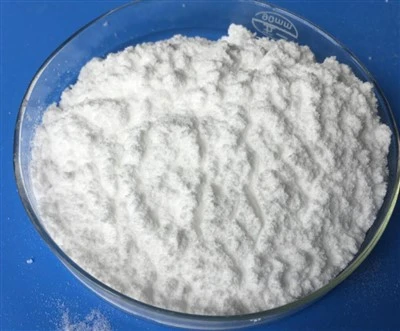
5. Properties: White crystalline powder, odorless. Relative density: 2.13. Loses 1 crystal water at 205℃. Decomposes into pyrophosphate when heated (550-650℃). Soluble in low-concentration acid, difficult to dissolve in water, insoluble in ethanol.
6. Packaging: Paper-plastic woven bag with a net weight of 25 kg.
7. Storage And Transportation: It should be stored in a dry and ventilated warehouse. Prevent rain and moisture during transportation. It should be stored separately from toxic substances.
【Product Advantages】
Slow-release Phosphorus Supply
Dimagnesium phosphate has low solubility in water, only 0.025g/100mL, which effectively controls the release rate of phosphorus and is suitable for slow-release fertilizers or feed systems.
High Stability
Its crystal structure is octahedral Mg-O coordination, combined with HPO₄²⁻ to form a stable bond, with good heat resistance, and the structure remains unchanged when heated to 300℃.
Moisture-resistant Storage
Its hydrated structure has low hygroscopicity, with a moisture absorption rate of ≤0.2%, and is not easy to harden, making it suitable for long-term storage and transportation in humid areas in the south.
【Product Application】
Agricultural Slow-release Fertilizer
In the agricultural field, dimagnesium phosphate is mainly used as a neutral slow-release phosphorus source to extend the phosphorus release cycle, reduce loss, and improve the absorption efficiency of crop roots.
Animal Feed Additives
In the feed industry, dimagnesium phosphate provides absorbable phosphorus and magnesium, improves the quality of animal bone development, and regulates the acid-base environment of the intestine to promote absorption.
Ceramic And Building Materials Flux
In the ceramic industry, dimagnesium phosphate is used to reduce the firing temperature, improve the glaze bonding, and increase the heat resistance and structural density of the finished product.
Flame Retardant Material Intermediates
Its decomposition temperature is high, and the generated MgO and P₂O₅ have flame retardant effects. It is used in cable and plastic flame retardant systems to improve the temperature resistance level and smoke suppression effect.
【Company Advantages】
The company covers an area of more than 100 acres and a building area of more than 6,000 square meters. Due to its strong technical force and complete testing methods, it has become a large-scale production enterprise mainly engaged in the production of food additives, health products, nutritional products, medicines and pet feed.
Certificate Qualification: We have a number of authoritative certifications, including ISO9001 quality management system certification, ISO22000 food safety management system certification and FSSC22000 food safety system certification. In addition, we also have HALAL certification and KOSHER certification.
High-quality Service: Provide product documents and samples according to customer needs, and answer all customer questions about the product.
Advantages Of Capital And Human Resources: The company is strong, with fixed assets exceeding 20 million yuan, laying a solid material foundation for production and operation. At the same time, the company has rich talent reserves, with more than 200 employees, including 26 managers who rely on efficient management models to ensure the orderly operation of all links of the company; 12 technical backbones have deep professional knowledge and rich experience, providing strong technical support for product research and development and production.
Equipment Capacity Advantage: The company is equipped with 5 stainless steel production lines, with an annual output of more than 30,000 tons, and has strong production and supply capabilities.
【Frequently Asked Questions】
Q: What payment methods do you accept?
A: T/T, L/C, Credit Card, PayPal, Western Union, Cash.
Q: What payment currencies do you accept?
A: USD, EUR, RMB.
Q: How is the product packed?
A: The inner layer is packed in polyethylene bags and the outer layer is packed in composite plastic woven bags. The net weight of each bag is 25 kg.
Q: How can the product be shipped?
A: It can be shipped by truck, train, sea, and air.
Q: What is the working principle of dimagnesium phosphate?
A: Through the chemical reaction between magnesium ions and phosphate ions, an interlaced crystal structure is formed, giving the material high strength and stability.
Q: How long is the shelf life of the product?
A: Under sealed and dry storage conditions, the shelf life of dimagnesium phosphate can reach 24 months, and the performance is stable and does not deteriorate.
Q: How to clean construction tools?
A: Rinse the tools with clean water immediately after construction, and the materials need to be removed by mechanical grinding or weak acid solution after curing.
Q: What are the requirements for storage conditions?
A: It needs to be stored in a cool and dry place to avoid moisture and agglomeration. The storage temperature should be controlled at 5-35℃.
Q: How does dimagnesium phosphate bond with other materials?
A: Dimagnesium phosphate has strong bonding to porous materials such as concrete and stone, and the shear strength reaches 12MPa.
Q: What is the difference between dimagnesium phosphate and calcium hydrogen phosphate?
Answer: The phosphorus content of dimagnesium phosphate is slightly lower, but the magnesium content is higher and it is more stable, making it suitable for use in complex formulas that require magnesium ions.
Hot Tags: dimagnesium phosphate, China dimagnesium phosphate manufacturers, suppliers, factory, Calcium Gluconate, Calcium Chloride, Ammonium Dihydrogen Phosphate, Monocalcium Phosphate, Potassium Carbonate
Previous
Dicalcium PhosphateYou Might Also Like



Send Inquiry