

Calcium citrate is a widely recognized and extensively used calcium supplement in the health and nutrition industry. As a supplier of Calcium Citrate, I'm excited to share in - depth knowledge about this remarkable compound.
Chemical Composition and Structure
Calcium citrate is a calcium salt of citric acid. Chemically, its molecular formula is Ca₃(C₆H₅O₇)₂. The structure of calcium citrate is formed when three calcium ions (Ca²⁺) bond with two citrate anions (C₆H₅O₇³⁻). This ionic bond gives calcium citrate its unique properties, making it stable under normal conditions.
The citrate anion has a complex structure with multiple carboxyl groups (-COOH) that can easily bind to calcium ions. This chemical structure is crucial as it affects the solubility and bioavailability of calcium in the body. Unlike some other calcium salts, calcium citrate does not require a highly acidic environment for dissolution, which is a significant advantage, especially for individuals with low stomach acid.
Sources and Production
Calcium citrate can be sourced from both natural and synthetic origins. Naturally, it can be found in some fruits and vegetables, but the amounts are relatively small. For large - scale production, it is usually synthesized through a chemical reaction.
The most common method of producing calcium citrate is by reacting calcium carbonate (CaCO₃) with citric acid (C₆H₈O₇). The reaction equation is as follows:
3CaCO₃ + 2C₆H₈O₇ → Ca₃(C₆H₅O₇)₂+ 3H₂O + 3CO₂↑
In the industrial process, high - purity calcium carbonate and citric acid are carefully measured and mixed in specific ratios. The reaction is carried out under controlled temperature and pH conditions to ensure the quality and yield of calcium citrate. After the reaction, the product is purified through processes such as filtration, crystallization, and drying to obtain high - quality calcium citrate powder.
Bioavailability and Absorption
One of the key advantages of calcium citrate is its high bioavailability. Bioavailability refers to the proportion of a nutrient that is absorbed and used by the body. Calcium citrate has a better absorption rate compared to some other calcium supplements, especially for people with reduced stomach acid secretion, such as the elderly or those taking medications that suppress stomach acid.
In the digestive system, calcium citrate dissociates into calcium ions and citrate anions. The calcium ions can then be absorbed through the intestinal wall and into the bloodstream. The citrate anion may also play a role in enhancing calcium absorption by chelating with calcium and preventing its precipitation in the intestine.
Research has shown that calcium citrate can be absorbed well in both fasting and non - fasting states. This means that it can be taken with or without food, providing more flexibility for consumers. In contrast, calcium carbonate, another common calcium supplement, is better absorbed when taken with food because it requires stomach acid for dissolution.
Health Benefits
- Bone Health: Calcium is an essential mineral for maintaining strong bones and teeth. As we age, our bones gradually lose density, which can lead to osteoporosis and an increased risk of fractures. Calcium citrate helps to maintain bone mass by providing a continuous supply of calcium for bone remodeling. Adequate calcium intake, along with vitamin D and other bone - supporting nutrients, can reduce the risk of osteoporosis and improve overall bone health.
- Muscle Function: Calcium plays a crucial role in muscle contraction and relaxation. When a nerve impulse reaches a muscle fiber, calcium ions are released from the sarcoplasmic reticulum, which triggers muscle contraction. After the contraction, calcium ions are pumped back into the sarcoplasmic reticulum, allowing the muscle to relax. Calcium citrate can help ensure that there is enough calcium available for normal muscle function, preventing muscle cramps and spasms.
- Nerve Transmission: Calcium is also involved in nerve impulse transmission. It helps to regulate the opening and closing of ion channels in nerve cells, which is essential for the proper functioning of the nervous system. Adequate calcium levels can support cognitive function, mood regulation, and the normal functioning of the peripheral nervous system.
- Blood Clotting: Calcium is a key factor in the blood - clotting cascade. When a blood vessel is damaged, platelets aggregate at the site of injury, and a series of chemical reactions are triggered to form a blood clot. Calcium is required for several steps in this process, and calcium citrate can contribute to maintaining normal blood - clotting function.
Applications in the Industry
- Dietary Supplements: Calcium citrate is one of the most popular ingredients in dietary supplements. It is available in various forms, such as tablets, capsules, and chewable tablets. Dietary supplements containing calcium citrate are often recommended for people who do not get enough calcium from their diet, such as vegetarians, vegans, and the elderly.
- Food and Beverage Industry: Calcium citrate can be used as a calcium fortifier in food and beverages. It can be added to products such as milk, yogurt, juice, and bread to increase their calcium content. This is an effective way to improve the nutritional value of these products and meet the calcium requirements of consumers.
- Pharmaceutical Industry: In the pharmaceutical industry, calcium citrate can be used as an excipient in the formulation of drugs. It can act as a binder, filler, or disintegrant, helping to improve the physical properties and stability of pharmaceutical products.
Comparison with Other Citrate Salts
When comparing calcium citrate with other citrate salts such as Ferric Citrate and Copper Citrate, each has its own unique properties and applications.
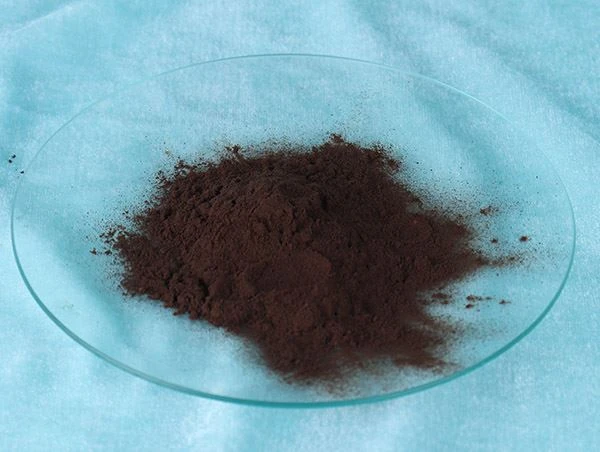

Ferric citrate is an iron - containing compound. It is mainly used as an iron supplement and a phosphate binder in patients with chronic kidney disease. The iron in ferric citrate can be absorbed by the body and used for the synthesis of hemoglobin, which is essential for oxygen transport.
Copper citrate is a copper - based compound. Copper is an essential trace element that plays a role in many physiological processes, such as antioxidant defense, energy production, and connective tissue synthesis. Copper citrate can be used as a copper supplement or in the formulation of cosmetics and pesticides.
In contrast, calcium citrate is primarily focused on providing calcium for bone health, muscle function, and other physiological processes. Its high bioavailability and wide range of applications make it a popular choice in the health and nutrition industry.
Quality Control and Safety
As a supplier of Calcium Citrate, we understand the importance of quality control and safety. We follow strict quality control standards throughout the production process to ensure that our calcium citrate meets the highest quality requirements.
Our calcium citrate is tested for purity, particle size, and other physical and chemical properties. We also conduct microbiological tests to ensure that the product is free from harmful bacteria, fungi, and other contaminants. In addition, we comply with all relevant regulations and standards in the industry to ensure the safety of our products.
Calcium citrate is generally considered safe for most people when taken in appropriate doses. However, like any supplement, it may have some side effects, such as constipation, bloating, or gas. It is important to follow the recommended dosage and consult a healthcare professional before taking calcium citrate, especially if you have any underlying health conditions or are taking other medications.
Conclusion
Calcium citrate is a valuable compound with numerous health benefits and wide - ranging applications. Its high bioavailability, versatility, and safety make it a popular choice in the dietary supplement, food, and pharmaceutical industries. As a reliable supplier of calcium citrate, we are committed to providing high - quality products to meet the needs of our customers.
If you are interested in purchasing calcium citrate for your business or personal use, we would be delighted to discuss your requirements. We offer competitive prices, excellent customer service, and reliable delivery. Contact us today to start a procurement negotiation and take advantage of the many benefits of calcium citrate.
References
- Heaney, R. P. (2003). Calcium Absorption and Bioavailability. Journal of the American College of Nutrition, 22(4), 281 - 289.
- Weaver, C. M., & Heaney, R. P. (2006). Choices for Calcium Supplements. American Family Physician, 74(11), 1833 - 1838.
- Institute of Medicine (US) Panel on Dietary Reference Intakes for Calcium and Vitamin D. (2011). Dietary Reference Intakes for Calcium and Vitamin D. National Academies Press (US).


