

How does phosphate influence the surface tension of liquids?
Surface tension is a fundamental property of liquids that plays a crucial role in various natural phenomena and industrial processes. It is defined as the force acting per unit length along the surface of a liquid, which tends to minimize the surface area. Phosphate, a common chemical compound, can have a significant impact on the surface tension of liquids. As a phosphate supplier, I have witnessed firsthand the diverse effects of phosphates on different liquid systems. In this blog post, I will explore how phosphates influence the surface tension of liquids and discuss the underlying mechanisms.
Understanding Surface Tension
Before delving into the influence of phosphates, it is essential to understand the concept of surface tension. At the molecular level, surface tension arises from the cohesive forces between liquid molecules. In the bulk of a liquid, each molecule is surrounded by other molecules on all sides, and the net cohesive force acting on it is zero. However, at the liquid - air interface, the molecules experience a net inward force because there are no liquid molecules above them. This inward force causes the surface of the liquid to behave like a stretched elastic membrane, resulting in surface tension.
Surface tension has many practical implications. For example, it allows insects to walk on water, enables the formation of droplets, and affects the spreading and wetting behavior of liquids on solid surfaces. In industrial applications, surface tension is important in processes such as coating, printing, and emulsification.
Phosphate and Its Properties
Phosphates are salts or esters of phosphoric acid. They are widely used in a variety of industries, including food, agriculture, and detergents. Phosphates can exist in different forms, such as orthophosphates, pyrophosphates, and polyphosphates, each with its own unique chemical and physical properties.
One of the key properties of phosphates is their ability to dissociate in water. When phosphates dissolve in water, they release phosphate ions, which can interact with water molecules and other substances in the solution. These interactions can have a profound effect on the surface tension of the liquid.
Mechanisms of Phosphate Influence on Surface Tension
There are several mechanisms by which phosphates can influence the surface tension of liquids:
1. Adsorption at the Liquid - Air Interface
Phosphate ions can adsorb at the liquid - air interface. When they do so, they disrupt the normal arrangement of water molecules at the surface. The presence of phosphate ions at the interface reduces the cohesive forces between water molecules, leading to a decrease in surface tension.
For example, in a detergent solution, phosphates are often used as builders. The phosphate ions adsorb at the surface of the water, making it easier for the detergent molecules to spread and interact with dirt particles. This reduction in surface tension enhances the cleaning efficiency of the detergent.
2. Ion - Dipole Interactions
Phosphate ions are charged species, and they can form ion - dipole interactions with water molecules. Water is a polar molecule, with a partial positive charge on the hydrogen atoms and a partial negative charge on the oxygen atom. Phosphate ions can interact with the polar water molecules, altering the structure of the water near the surface.
These ion - dipole interactions can either increase or decrease the surface tension, depending on the nature of the phosphate and the concentration. In some cases, the interactions can strengthen the cohesive forces between water molecules, leading to an increase in surface tension. However, in most cases, especially at higher concentrations, the disruption of the water structure by the phosphate ions results in a decrease in surface tension.
3. Complex Formation
Phosphates can form complexes with other substances in the solution. For example, they can form complexes with metal ions. These complexes can have different surface - active properties compared to the individual components.
When a phosphate - metal ion complex is formed, it may adsorb at the liquid - air interface and change the surface tension. The formation of complexes can also affect the solubility and aggregation behavior of other substances in the solution, which in turn can influence the surface tension.
Examples of Phosphate Influence on Surface Tension in Different Systems
1. Water - Based Solutions
In water - based solutions, the addition of phosphates can significantly change the surface tension. For instance, when Monosodium Phosphate is added to water, it dissociates into sodium ions and phosphate ions. The phosphate ions adsorb at the water - air interface, reducing the surface tension. This effect is more pronounced at higher concentrations of monosodium phosphate.
Similarly, Trimagnesium Phosphate can also influence the surface tension of water. The magnesium ions and phosphate ions interact with water molecules, and the overall effect on surface tension depends on the concentration and the pH of the solution.
2. Emulsions
Emulsions are mixtures of two immiscible liquids, such as oil and water. Surface tension plays a crucial role in the stability and formation of emulsions. Phosphates can be used as emulsifiers or emulsion stabilizers.
When phosphates are added to an oil - water emulsion, they can reduce the interfacial tension between the oil and water phases. This reduction in interfacial tension makes it easier to form and maintain a stable emulsion. For example, Monocalcium Phosphate can be used in food emulsions to improve their stability by reducing the surface tension at the oil - water interface.
3. Detergent Systems
As mentioned earlier, phosphates are commonly used in detergent formulations. In detergent systems, phosphates act as builders, which help to enhance the cleaning performance of the detergent.

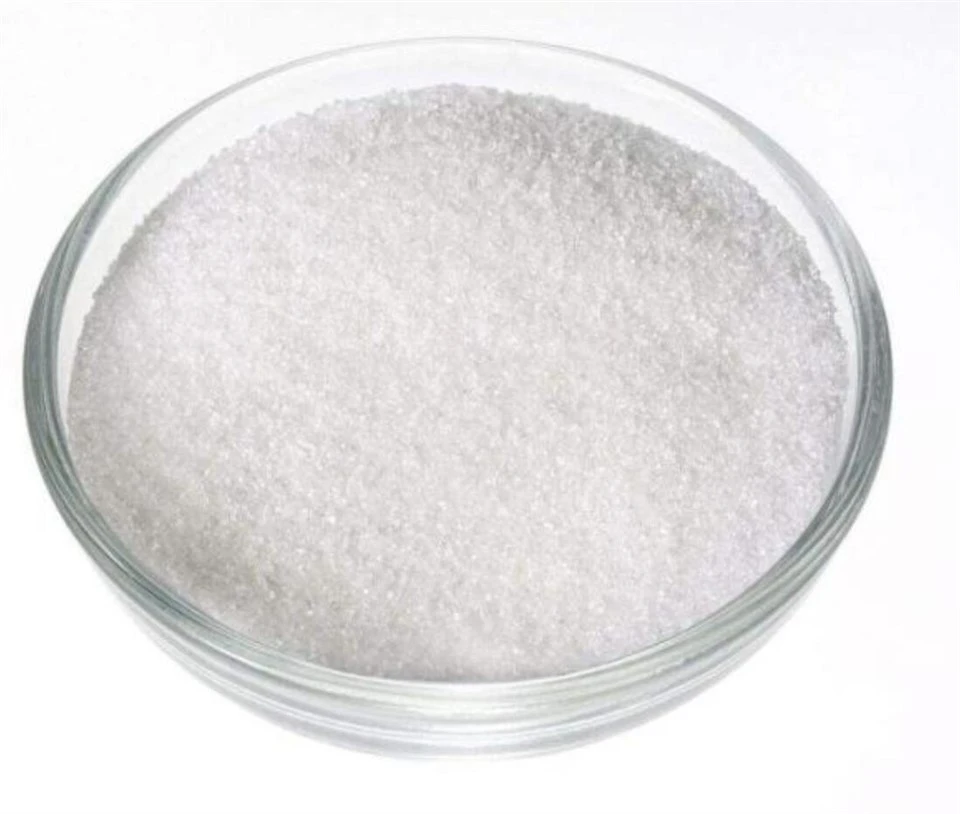
By reducing the surface tension of the water, phosphates allow the detergent molecules to spread more easily on the surface to be cleaned. This increased spreading ability enables the detergent to penetrate and remove dirt and stains more effectively.
Factors Affecting the Influence of Phosphate on Surface Tension
The influence of phosphates on surface tension is affected by several factors:
1. Concentration
The concentration of phosphate in the solution is a critical factor. Generally, as the concentration of phosphate increases, the effect on surface tension becomes more pronounced. However, there may be a saturation point beyond which further increases in concentration do not lead to a significant change in surface tension.
2. pH
The pH of the solution can also affect the influence of phosphates on surface tension. Different phosphate species exist in different forms depending on the pH. For example, at low pH, orthophosphoric acid may be present, while at high pH, phosphate ions may be in different ionic forms. These different forms can have different surface - active properties and interactions with water molecules, leading to different effects on surface tension.
3. Temperature
Temperature can influence the surface tension of liquids and the behavior of phosphates in solution. As the temperature increases, the surface tension of most liquids decreases. The solubility of phosphates and the rate of adsorption at the interface may also be affected by temperature, which can further influence the surface tension.
Applications of Phosphate - Induced Surface Tension Changes
The ability of phosphates to influence surface tension has many practical applications:
1. Detergency
In the detergent industry, phosphates are used to improve the cleaning efficiency by reducing the surface tension of water. This allows the detergent to spread better on the surface to be cleaned and penetrate dirt particles more effectively.
2. Coating and Printing
In coating and printing processes, the surface tension of the coating or ink solution is crucial for achieving uniform coverage. Phosphates can be used to adjust the surface tension of the solution, ensuring that it spreads evenly on the substrate.
3. Food Industry
In the food industry, phosphates are used in various applications, such as emulsification, texturization, and water retention. By influencing the surface tension, phosphates can help to improve the stability and quality of food products.
Conclusion
Phosphates can have a significant influence on the surface tension of liquids through various mechanisms, including adsorption at the liquid - air interface, ion - dipole interactions, and complex formation. The effect of phosphates on surface tension is affected by factors such as concentration, pH, and temperature.
As a phosphate supplier, I understand the importance of these properties and their applications in different industries. Whether you are in the detergent, coating, or food industry, phosphates can be a valuable tool for controlling surface tension and improving the performance of your products.
If you are interested in learning more about our phosphate products or have specific requirements for your application, please feel free to contact us. We are committed to providing high - quality phosphate products and excellent customer service. Our team of experts can help you choose the right phosphate for your needs and provide technical support. Let's start a conversation about how phosphates can benefit your business!
References
- Adamson, A. W., & Gast, A. P. (1997). Physical Chemistry of Surfaces. Wiley.
- Birdi, K. S. (1989). Surface and Colloid Chemistry: Principles and Applications. Plenum Press.
- Rosen, M. J. (2004). Surfactants and Interfacial Phenomena. Wiley - Interscience.


