


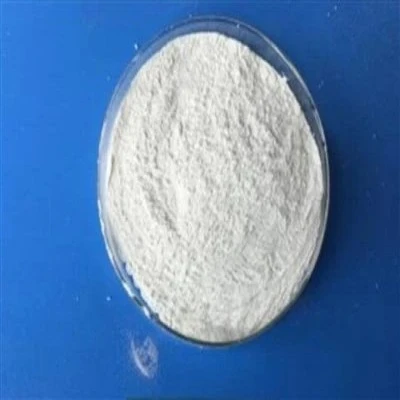
Sodium Malate
Sodium Malate (Disodium salt) is synthesized via the precise neutralization of L/DL-malic acid with high-purity sodium hydroxide within dedicated stainless steel reaction systems. It functions primarily as an efficient buffering agent, flavor modifier, and synergist in industrial food, pharmaceutical, and personal care formulations. The production process utilizes automated spray-drying to ensure low hygroscopicity, stable crystal structure, and consistent powder flowability.
Chemical Formula: C4H4Na2O5 (Disodium Malate)
CAS Number: 141-58-2 (Disodium salt) / 676-13-1
Molecular Weight: 178.05 g/mol
Appearance: White crystalline powder or free-flowing granules
Solubility: Readily soluble in water; practically insoluble in ethanol.
Key Specifications
|
Parameter |
Food Grade (FCC Compliant) |
Pharmaceutical Grade (USP Compliant) |
Analytical Test Method |
|
Assay (Dry Basis) |
98.0% - 101.0% |
99.0% - 100.5% |
Titrimetry |
|
Appearance |
White powder |
White crystalline powder |
Visual Inspection |
|
pH (10% aqueous solution) |
6.5 - 8.5 |
7.0 - 8.0 |
Potentiometry |
|
Loss on Drying |
<= 2.0% |
<= 1.0% |
105 Deg C, 4 hours |
|
Heavy Metals (as Pb) |
<= 10 ppm |
<= 5 ppm |
Atomic Absorption Spectroscopy |
|
Arsenic (As) |
<= 2 ppm |
<= 1 ppm |
ICP-MS |
|
Lead (Pb) |
<= 2 ppm |
<= 0.5 ppm |
ICP-MS |
Applications
Beverages & Sport Drinks: Acts as a pH buffer and flavor stabilizer in citrus or fruit-flavored beverages. Softens sharp acidity and eliminates metallic aftertastes caused by artificial sweeteners or minerals.
Processed Foods & Meat: Functions as a moisture-retention synergist and antioxidant enhancer in processed meats, fish products, and dressings.
Pharmaceuticals: Applied as an excipient, buffering agent, and bio-available mineral salt in liquid oral formulations and tablet coatings.
Personal Care & Cosmetics: Utilized as a pH regulator and mild chelating agent in skin-cleansing formulations and oral hygiene products.
Product Grades & Packaging Options
Available Grades:
Food Grade (FCC / E350ii compliance)
Pharmaceutical Grade (USP / BP compliance)
Industrial Grade (Custom assay specifications available upon request)
Standard Packaging Configurations:
25 kg net multi-layer kraft paper bags with inner food-grade polyethylene (PE) liner.
25 kg fiber drums with inner PE moisture barrier liners for sensitive trans-oceanic freight.
Bulk Handling: 500 kg to 1000 kg FIBC super sacks available for automated industrial blending systems.
Quality Control & Documentation
Manufacturing operations are governed by strict quality assurance protocols to guarantee complete lot-to-lot consistency. In-house analytical laboratories utilize HPLC, ICP-MS, and automated moisture analyzers for raw material screening and finished product release.
Facility Certifications: ISO 9001, FSSC 22000, Kosher, and Halal certified manufacturing plant.
Accompanying Dispatch Documentation:
Batch-specific Certificate of Analysis (COA)
Safety Data Sheet (SDS / MSDS)
Statements confirming Non-GMO status, Allergen-free profile, and BSE/TSE-free certification
REACH compliance dossier (available for European union importers)
Packaging & Storage
Storage Requirements: Store in tightly sealed containers in a cool, dry, and well-ventilated warehouse environment. Protect from direct sunlight, high humidity, and extreme temperature fluctuations to prevent caking.
Shelf Life: 24 months from the date of manufacture when stored in unopened, original packaging under recommended conditions.
FAQ
Q: What is the difference between monosodium malate and disodium malate?
A: Disodium malate (C4H4Na2O5) exhibits a neutral to slightly alkaline pH (6.5 - 8.5) in solution and is primarily selected for buffering and flavor modification. Monosodium malate is significantly more acidic. Our standard commercial volume production focuses on the disodium salt.
Q: Is your Sodium Malate free from major allergens and GMO sources?
A: Yes. The production process uses raw materials entirely free from genetically modified organisms. The final product contains no major food allergens, including dairy, gluten, soy, eggs, fish, or tree nuts.
Q: What is the minimum order quantity (MOQ) for sea freight?
A: Standard sea freight MOQ is 1 pallet (1,000 kg). Laboratory evaluation samples (500 g - 1 kg) are readily available for R&D formulation testing.
Q: Can particle size distribution be customized for dry-blending?
A: Yes. By utilizing adjustable milling and screening units within our processing line, we can supply either micronized fine powder or granulated forms tailored to your mixing equipment.
Q: What documentation is supplied to facilitate customs clearance?
A: Every shipment includes the Commercial Invoice, Packing List, Bill of Lading, Certificate of Origin, and a batch-specific Certificate of Analysis. Additional regulatory documentation can be provided upon agreement.
Q: What are the standard commercial payment terms for new accounts?
A: We typically accept T/T (Telegraphic Transfer) and irrevocable L/C at sight. Open account credit terms are evaluated following initial transaction history and credit reference verification.
Request a Quote
To receive a formal commercial quotation, current pricing, and analytical sample tracking, please provide the following details to our sales engineering team:
Target Grade: (Food / Pharma / Custom)
Order Quantity / Annual Volume Forecast:
Destination Port / Incoterms: (FOB / CIF / CFR)
Specific Documentation Requirements: (E.g., specific country registration support)
Hot Tags: sodium malate, China sodium malate manufacturers, suppliers, factory
Previous
Potassium MalateNext
No InformationYou Might Also Like


Send Inquiry