

Citrate is a well - known organic acid salt that plays multifaceted roles in various biological processes, including the synthesis of DNA and RNA. As a leading citrate supplier, I have witnessed the growing interest in understanding the intricate relationship between citrate and nucleic acid synthesis. In this blog, we will explore the scientific aspects of how citrate contributes to the synthesis of DNA and RNA.
Citrate in Cellular Metabolism and Energy Provision
Before delving into its direct role in DNA and RNA synthesis, it is essential to understand citrate's place in cellular metabolism. Citrate is a key intermediate in the citric acid cycle (also known as the Krebs cycle or tricarboxylic acid cycle). In the mitochondria, acetyl - CoA combines with oxaloacetate to form citrate. This cycle is a central hub for energy production in cells, generating ATP, NADH, and FADH₂.
The energy produced through the citric acid cycle is crucial for DNA and RNA synthesis. DNA replication and RNA transcription are energy - demanding processes. DNA polymerases and RNA polymerases require ATP to catalyze the addition of nucleotides to the growing nucleic acid chains. Since citrate is involved in the production of ATP, it indirectly supports the synthesis of DNA and RNA by ensuring an adequate energy supply for these processes.
Chelation and Metal Ion Homeostasis
One of the important properties of citrate is its ability to chelate metal ions. Metal ions such as magnesium (Mg²⁺), manganese (Mn²⁺), and zinc (Zn²⁺) are essential cofactors for many enzymes involved in DNA and RNA synthesis. For example, DNA polymerases and RNA polymerases require Mg²⁺ ions for their catalytic activity.
Citrate can form stable complexes with metal ions, thereby regulating their availability in the cell. By chelating metal ions, citrate helps maintain their optimal concentration in the cellular environment. This is crucial because an imbalance in metal ion levels can have detrimental effects on nucleic acid synthesis. For instance, an excess of certain metal ions can lead to the inhibition of polymerase enzymes, while a deficiency can reduce their activity.
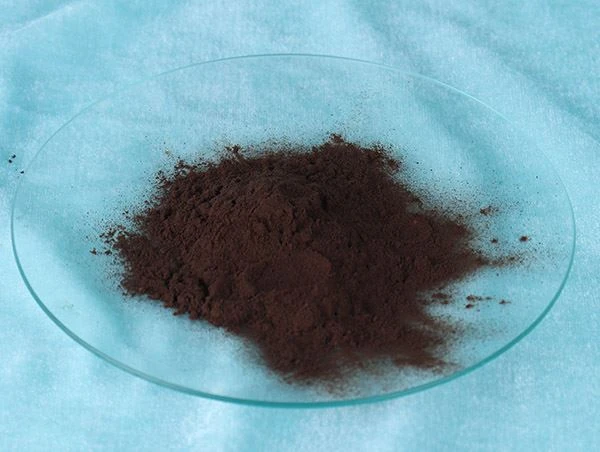
We offer different types of citrate salts, such as Ferric Citrate, Calcium Citrate, and Zinc Citrate. These salts can be used to fine - tune the metal ion levels in experimental or industrial settings related to nucleic acid synthesis.
Influence on Epigenetic Modifications
Epigenetic modifications, such as DNA methylation and histone acetylation, play a significant role in gene expression and regulation, which are closely related to DNA and RNA synthesis. Citrate has been shown to influence epigenetic processes.
In the context of histone acetylation, citrate can be converted to acetyl - CoA in the cytoplasm. Acetyl - CoA is the substrate for histone acetyltransferases (HATs), which add acetyl groups to histone proteins. Histone acetylation generally leads to a more open chromatin structure, making the DNA more accessible for transcription factors and RNA polymerases. This, in turn, promotes RNA synthesis.
Regarding DNA methylation, the availability of certain metabolites influenced by citrate metabolism can affect the activity of DNA methyltransferases. For example, the one - carbon metabolism pathway, which is involved in DNA methylation, is interconnected with the citric acid cycle. Citrate can indirectly impact this pathway by influencing the production of key metabolites such as S - adenosylmethionine (SAM), the primary methyl donor for DNA methylation.
Role in Nucleotide Biosynthesis
Citrate also participates in nucleotide biosynthesis, the building blocks of DNA and RNA. The de novo synthesis of nucleotides involves a series of enzymatic reactions that require various metabolites.
In the synthesis of purine nucleotides, citrate - derived metabolites can contribute to the formation of the purine ring structure. For example, the citric acid cycle intermediate α - ketoglutarate can be used in the synthesis of amino acids such as glutamine, which is an important precursor for purine nucleotide synthesis.
In the case of pyrimidine nucleotide synthesis, citrate - related metabolic pathways can provide the necessary energy and carbon skeletons. The synthesis of carbamoyl phosphate, a key intermediate in pyrimidine biosynthesis, requires ATP, which can be generated through the citrate - mediated citric acid cycle.

Implications in Biotechnology and Medicine
The understanding of citrate's role in DNA and RNA synthesis has significant implications in biotechnology and medicine. In biotechnology, the optimization of nucleic acid synthesis processes, such as PCR (polymerase chain reaction) and in vitro transcription, can benefit from the addition of citrate or citrate - based compounds. By fine - tuning the metal ion chelation and energy supply, citrate can enhance the efficiency and fidelity of these processes.
In medicine, targeting citrate - related metabolic pathways may offer new therapeutic strategies for diseases related to abnormal DNA and RNA synthesis. For example, in cancer cells, which often have altered nucleic acid synthesis rates, modulating citrate metabolism could potentially disrupt their growth and proliferation.
Contact for Procurement
If you are involved in research, biotechnology, or any field related to nucleic acid synthesis and are interested in high - quality citrate products, we are here to assist you. Our team of experts can provide you with detailed information about our citrate offerings and help you select the most suitable product for your specific needs. Whether you require small - scale samples for research or large - scale supplies for industrial applications, we can meet your demands. Please reach out to us to start a procurement discussion and explore how our citrate products can contribute to your projects.
References
- Stryer, L., Berg, J. M., & Tymoczko, J. L. (2002). Biochemistry. W. H. Freeman.
- Alberts, B., Johnson, A., Lewis, J., Raff, M., Roberts, K., & Walter, P. (2002). Molecular Biology of the Cell. Garland Science.
- Voet, D., Voet, J. G., & Pratt, C. W. (2008). Fundamentals of Biochemistry: Life at the Molecular Level. Wiley.


