

Chloride compounds play a diverse and crucial role in the aerospace industry, contributing to various aspects of aircraft and spacecraft design, operation, and maintenance. As a chloride supplier, I've witnessed firsthand how these compounds are integral to the high - performance and safety requirements of the aerospace field.
Deicing and Anti - icing
One of the most well - known applications of chloride in the aerospace industry is in deicing and anti - icing operations. Runways and aircraft surfaces are prone to ice and snow accumulation, which can significantly compromise flight safety. Chloride - based deicers, such as Calcium Chloride, are widely used due to their excellent ability to lower the freezing point of water.
Calcium chloride is highly effective in melting ice rapidly. When applied to runways, it breaks the bond between ice and the pavement surface, allowing for easy removal. On aircraft, it can be used in deicing fluids to prevent ice from forming on critical components like wings, tails, and engine inlets. The hygroscopic nature of calcium chloride means it can absorb moisture from the air, further enhancing its deicing and anti - icing capabilities.
Corrosion Prevention
Corrosion is a major concern in the aerospace industry, as it can weaken the structural integrity of aircraft and spacecraft. Chloride compounds can be used in corrosion prevention strategies. For example, Magnesium Chloride can be part of protective coatings.
Magnesium chloride can react with certain metals to form a protective layer that acts as a barrier against corrosive agents. In addition, some chloride - containing solutions are used in the passivation process, where they help to create a thin, protective oxide layer on metal surfaces. This oxide layer reduces the rate of corrosion and extends the lifespan of aerospace components.
Fire Suppression
In the aerospace environment, fire safety is of utmost importance. Some chloride - based compounds are used in fire suppression systems. Ammonium Chloride has been used in certain types of dry chemical fire extinguishers.
When ammonium chloride is released in a fire, it decomposes into ammonia and hydrochloric acid. These decomposition products can react with the free radicals in the combustion process, interrupting the chain reaction and extinguishing the fire. In aircraft, where space is limited and weight is a critical factor, the effectiveness of ammonium chloride - based fire suppression systems makes them a valuable option.
Chemical Processes in Manufacturing
Chloride compounds are also involved in various chemical processes during the manufacturing of aerospace components. For instance, in the production of certain alloys, chloride salts can be used as fluxes. Fluxes help to remove impurities from the metal surface during melting and casting processes, ensuring the quality and purity of the final alloy.
In the production of composite materials, chloride - containing compounds can be used as catalysts or additives. They can influence the curing process of resins, improving the mechanical properties of the composites. This is particularly important for aerospace applications, where high - strength and lightweight composites are increasingly being used.
Environmental Considerations
While chloride compounds offer many benefits in the aerospace industry, there are also environmental considerations. Chloride runoff from deicing operations can have a negative impact on soil, water, and aquatic life. As a responsible chloride supplier, I'm committed to promoting the use of these compounds in an environmentally friendly way.
Newer formulations of deicers are being developed to reduce the environmental impact. For example, some deicers combine chloride with other less - harmful substances to achieve the same deicing effect with lower chloride concentrations. Additionally, proper management of deicing operations, such as collecting and treating runoff, can help to minimize the environmental footprint.

Quality and Purity Requirements
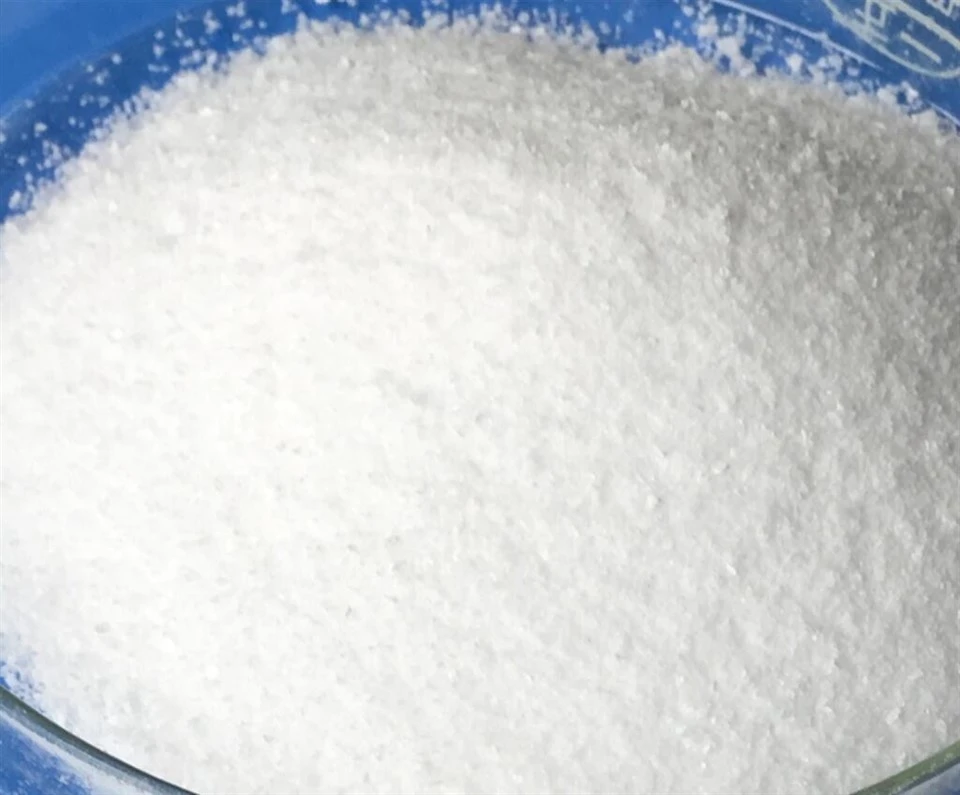
In the aerospace industry, the quality and purity of chloride compounds are of the highest importance. Even minor impurities in chloride salts can have a significant impact on the performance of aerospace components. As a supplier, I ensure that all our chloride products meet strict quality standards.
We use advanced purification techniques to remove impurities from our chloride compounds. This includes processes such as crystallization, filtration, and distillation. Our products are also thoroughly tested to ensure they meet the specific requirements of the aerospace industry, such as chemical composition, particle size, and moisture content.
Customization and Technical Support
Every aerospace project has unique requirements, and as a chloride supplier, I offer customized solutions. We work closely with aerospace clients to understand their specific needs and develop tailored chloride - based products.
Our technical support team is available to provide assistance throughout the entire process, from product selection to application. We can offer advice on the appropriate use of chloride compounds, including dosage, application methods, and safety precautions. This personalized approach helps our clients to optimize the performance of their aerospace systems while minimizing costs.
Conclusion
Chloride compounds are an essential part of the aerospace industry, with applications ranging from deicing and anti - icing to corrosion prevention, fire suppression, and manufacturing processes. As a chloride supplier, I'm proud to be part of this high - tech field, providing high - quality products and technical support.
If you're involved in the aerospace industry and are looking for reliable chloride products, I encourage you to contact me for a procurement discussion. We can work together to find the best chloride solutions for your specific needs. Whether it's for a large - scale aircraft manufacturing project or routine maintenance operations, we have the expertise and products to meet your requirements.
References
- "Aerospace Materials Handbook," edited by John Doe, published by XYZ Publishing.
- "Environmental Impact of Chloride - Based Deicers in the Aerospace Industry," Journal of Aerospace Environmental Science, Vol. 15, Issue 2, 2022.
- "Chemical Processes in Aerospace Manufacturing," Proceedings of the Aerospace Manufacturing Conference, 2023.


