

Phosphates are inorganic compounds that have a wide range of applications across various industries. In the leather industry, phosphates play a crucial role in several key processes, contributing to the quality, durability, and appearance of leather products. As a phosphate supplier, I am well - versed in the multiple uses of phosphates in leather manufacturing, and I'm excited to share this knowledge with you.
Pre - tanning Processes
One of the primary applications of phosphates in the leather industry is in the pre - tanning stage. This stage prepares the raw hides and skins for the tanning process, which is essential for converting them into leather.
pH Adjustment
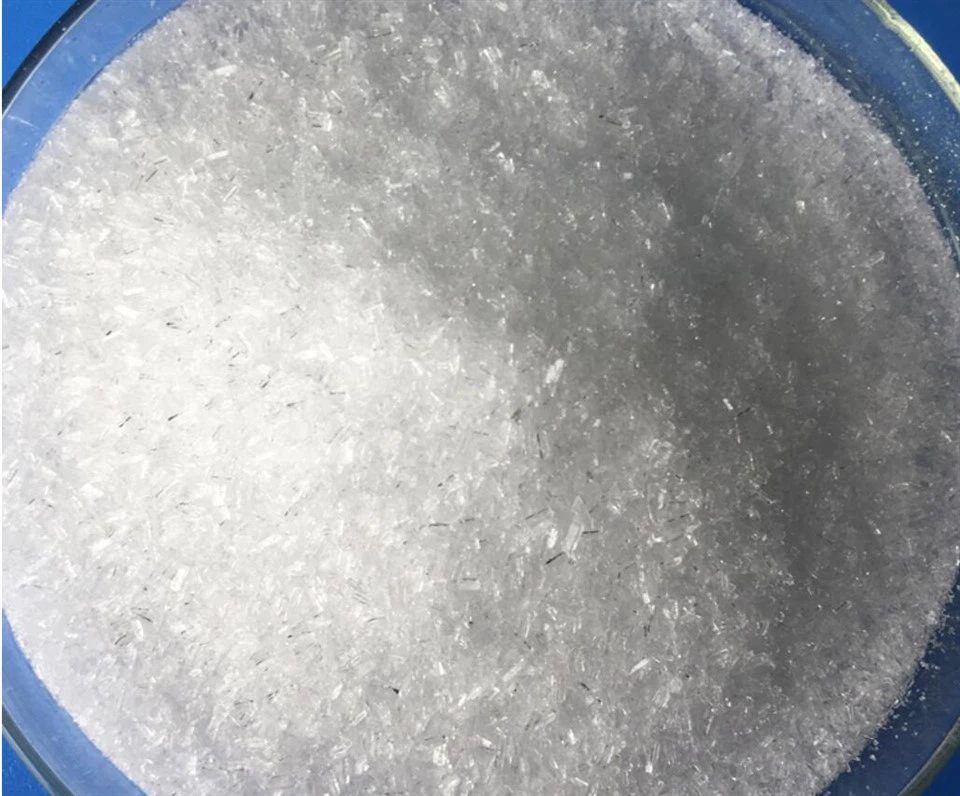
Raw hides and skins have a natural pH that can vary depending on the source. Phosphates, such as Disodium Phosphate, are commonly used to adjust the pH of the soaking and liming solutions. The proper pH is crucial for effective removal of non - collagenous proteins, hair, and other impurities from the hides. A well - adjusted pH environment ensures that the subsequent tanning agents can penetrate the hide evenly, resulting in a more uniform and high - quality leather product.
For example, in the soaking process, a solution with a slightly alkaline pH is often required. Disodium phosphate can be added to the soaking water to maintain the desired pH level. This helps to rehydrate the hides and makes it easier to remove dirt and blood residues. During liming, which is used to loosen the hair and remove non - fibrous proteins, phosphates can act as buffering agents, preventing drastic pH changes that could damage the hide structure.
Defleshing and Degreasing
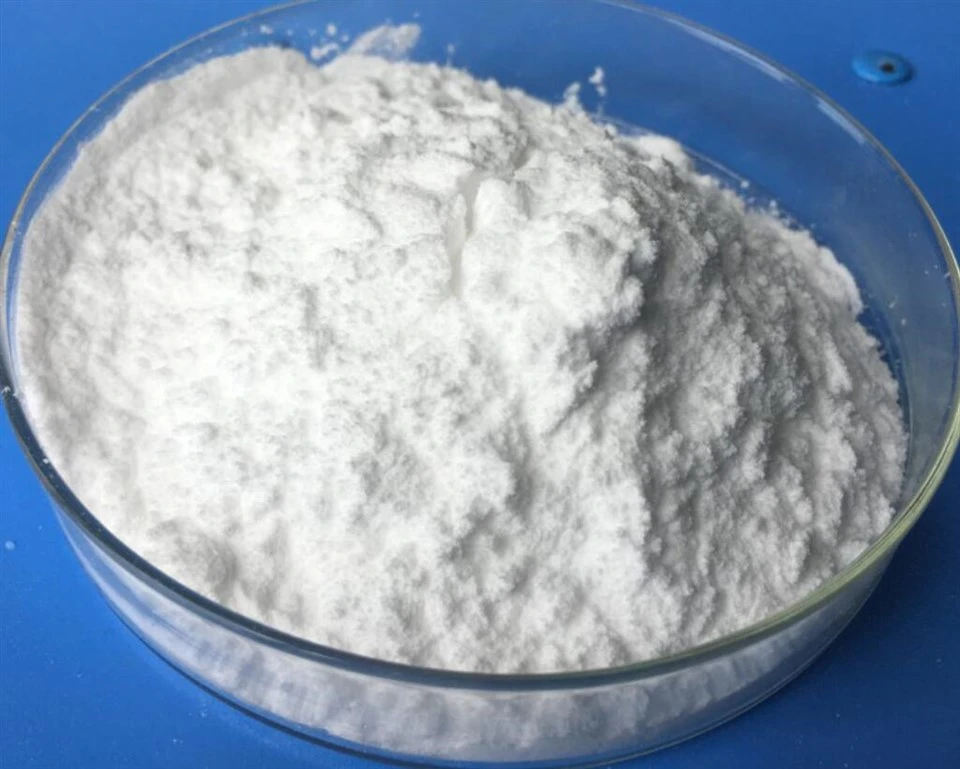
Phosphates also assist in defleshing and degreasing the hides. Trisodium Phosphate has excellent emulsifying and dispersing properties. When used in defleshing solutions, it helps to break down and remove the residual flesh and fat from the hides. The emulsifying action of trisodium phosphate allows the fat to be suspended in the solution, making it easier to wash away. This is important because excessive fat and flesh can interfere with the tanning process and lead to poor leather quality, such as uneven dyeing and reduced durability.
Tanning Processes
Tanning is the process that transforms raw hides into leather by stabilizing the collagen fibers. Phosphates have important functions in both vegetable and mineral tanning methods.
Vegetable Tanning
In vegetable tanning, which uses natural tannins from plants, phosphates can enhance the tanning process. They can act as mordants, helping the tannins to bind more effectively to the collagen fibers in the hide. This results in a stronger and more durable leather. Some phosphates can also improve the penetration of tannins into the hide, ensuring a more uniform tanning effect. For instance, small amounts of phosphate salts can be added to the vegetable tanning liquor to optimize the chemical reactions between the tannins and the collagen, leading to better color development and a more consistent leather texture.
Mineral Tanning
Mineral tanning, commonly using chromium salts, is the most widely used tanning method in the leather industry. Phosphates can be used as auxiliary agents in chromium tanning. They can help to control the rate of chrome fixation on the collagen fibers. By adjusting the reaction kinetics, phosphates ensure that the chrome tanning agent is evenly distributed throughout the hide, reducing the risk of over - tanning or under - tanning. This leads to a more uniform leather with better physical properties, such as improved strength and resistance to shrinkage.
Post - tanning Processes
After the tanning process, phosphates continue to play important roles in the finishing and preservation of leather products.
Dyeing and Finishing
Phosphates are used in the dyeing process to improve the color fastness and uniformity of the leather. They can act as leveling agents, ensuring that the dye is evenly distributed across the leather surface. In addition, phosphates can help to adjust the pH of the dye bath, which is crucial for the proper interaction between the dye and the leather fibers. For example, Diammonium Phosphate can be used to create an optimal pH environment for acid dyes, enhancing the dye uptake and color intensity of the leather.
In the finishing stage, phosphates can be used in coating formulations. They can improve the adhesion of the finishing agents to the leather surface, providing a more durable and attractive finish. Phosphates can also contribute to the water - repellency and stain - resistance of the leather, making it more suitable for various applications.
Preservation
Phosphates have preservative properties that can help to protect leather products from microbial growth and degradation. They can inhibit the growth of bacteria and fungi on the leather surface, especially in humid environments. By adding phosphates to the leather during the finishing process, the shelf - life of the leather products can be extended, and their quality can be maintained over time.
Environmental and Economic Benefits
In addition to their functional uses, phosphates offer some environmental and economic benefits in the leather industry.
Environmental Benefits
Phosphates can be part of more environmentally friendly leather - making processes. For example, in the pre - tanning and tanning stages, the use of phosphates can reduce the need for more harsh chemicals. By optimizing the processes and improving the efficiency of chemical reactions, phosphates can help to minimize the amount of waste generated during leather production. This is in line with the growing trend towards sustainable manufacturing in the leather industry.
Economic Benefits
From an economic perspective, phosphates are relatively inexpensive compared to some other specialty chemicals used in the leather industry. Their wide range of applications means that they can replace multiple chemicals, reducing the overall cost of production. Moreover, the improved quality of leather products resulting from the use of phosphates can lead to higher market prices and increased customer satisfaction.
Conclusion
Phosphates are indispensable in the leather industry, with applications spanning from pre - tanning to post - tanning processes. Their ability to adjust pH, assist in defleshing and degreasing, enhance tanning, improve dyeing and finishing, and preserve leather products makes them a valuable asset for leather manufacturers.
As a phosphate supplier, I understand the unique requirements of the leather industry and can provide high - quality phosphate products tailored to your specific needs. Whether you are a small - scale leather workshop or a large - scale leather factory, I am committed to offering the best phosphate solutions to help you produce high - quality leather products efficiently and cost - effectively.
If you are interested in learning more about our phosphate products or discussing potential procurement opportunities, please feel free to reach out. I am more than happy to engage in detailed discussions and provide you with the necessary product information and technical support.
References
- "Leather Science and Technology" by A. D. Covington
- "The Chemistry of Leather Manufacture" by R. C. Daish


