

Carbonates are a group of chemical compounds that have found a wide range of uses in the food service industry. As a carbonate supplier, I've seen firsthand how these substances play a crucial role in various food products and processes. In this blog, I'll dive into the different types of carbonates and their applications in the food service world.
Leavening Agents
One of the most well - known uses of carbonates in the food industry is as leavening agents. Baking soda, or sodium bicarbonate, is a classic example. When it's combined with an acid (like buttermilk, lemon juice, or vinegar) in a batter or dough, it undergoes a chemical reaction. This reaction produces carbon dioxide gas, which causes the dough or batter to rise. This is super important for making things like cakes, muffins, and pancakes light and fluffy.
Another carbonate used as a leavening agent is Potassium Bicarbonate. It's often used as a substitute for sodium bicarbonate in low - sodium products. For people who need to watch their sodium intake, potassium bicarbonate allows them to still enjoy baked goods with that nice, airy texture.
pH Regulation
Carbonates are also great at regulating the pH levels in food products. In the production of cheese, for example, calcium carbonate can be used to adjust the acidity of the milk. By controlling the pH, it helps in the coagulation process, which is essential for turning milk into cheese.

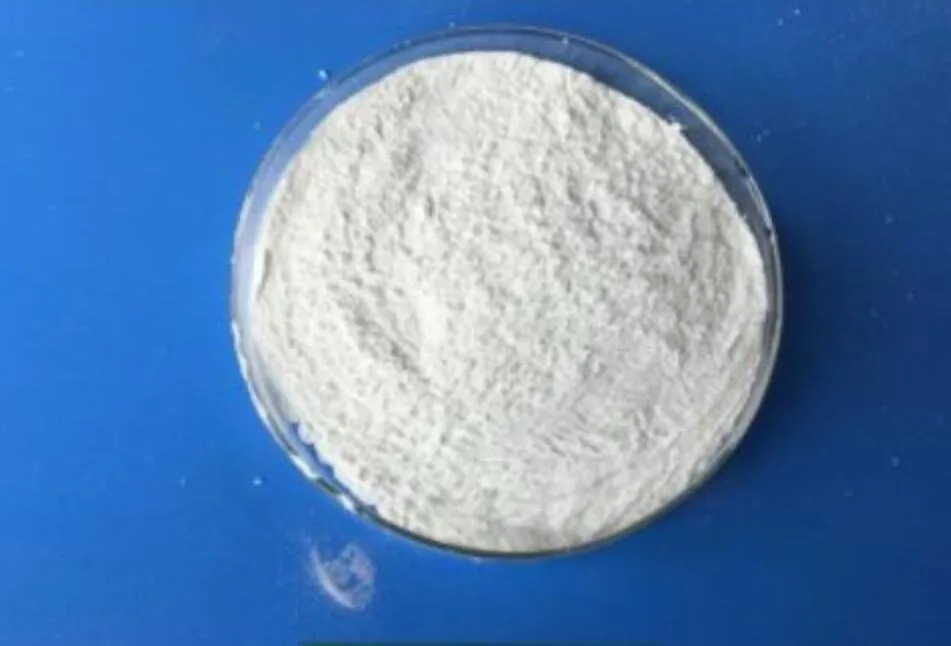
In the beverage industry, carbonates are used to control the acidity of soft drinks. Carbon dioxide gas is dissolved in water under pressure to create carbonated beverages. The carbon dioxide forms carbonic acid, which gives the drink its characteristic fizz. But sometimes, additional carbonates like sodium carbonate are added to fine - tune the pH and taste of the drink. This ensures that the beverage has a pleasant, balanced flavor and doesn't taste too acidic.
Anticaking Agents
Ever noticed how some powdered foods, like powdered sugar or salt, don't clump together? That's often thanks to carbonates. Magnesium Carbonate is commonly used as an anticaking agent. It works by absorbing moisture and preventing the particles in the powder from sticking to each other. This keeps the powder free - flowing and easy to use in the food service industry. Whether it's a chef sprinkling powdered sugar on a dessert or a manufacturer using salt in a processed food, magnesium carbonate ensures that the powder dispenses smoothly.
Mineral Fortification
Carbonates can also be a source of essential minerals in food. Calcium carbonate, for instance, is a common calcium supplement added to many food products. It's used in fortified orange juice, breakfast cereals, and even some types of bread. Calcium is important for strong bones and teeth, and by adding calcium carbonate to these foods, manufacturers can help consumers meet their daily calcium requirements.
Potassium Carbonate can be used as a source of potassium. Potassium is an important electrolyte that helps regulate fluid balance, muscle contractions, and nerve signals in the body. Adding potassium carbonate to certain foods can be a way to boost their nutritional value, especially for products targeted at health - conscious consumers.
Processing Aid
In the meat industry, carbonates are used as processing aids. Sodium bicarbonate can be used to tenderize meat. When it's applied to meat, it raises the pH of the meat's surface, which helps break down some of the tough muscle fibers. This results in a more tender and juicy piece of meat. It's a simple and effective way for meat processors to improve the quality of their products.
In the production of noodles, alkaline carbonates like potassium carbonate are used. They give the noodles their characteristic yellow color and chewy texture. The alkaline environment created by the carbonate affects the proteins in the flour, changing the structure of the noodles and making them more elastic and less likely to break during cooking.
Flavor Enhancement
Carbonates can also enhance the flavor of certain foods. In some Asian cuisines, alkaline salts like potassium carbonate are used in the preparation of traditional dishes. They can bring out the umami flavor in foods, making them taste more savory and delicious.
In the production of chocolate, magnesium carbonate can be used to neutralize some of the acidity in the cocoa beans. This helps to balance the flavor of the chocolate, making it smoother and more enjoyable to eat.
Preservation
Carbonates can have a role in food preservation as well. In pickling, for example, sodium carbonate can be used to adjust the pH of the pickling solution. A proper pH level helps inhibit the growth of bacteria and other microorganisms, which extends the shelf - life of the pickled vegetables.
In some cases, carbonates can also act as antioxidants. They can help prevent the oxidation of fats and oils in food products, which can lead to rancidity and off - flavors. By using carbonates, food manufacturers can keep their products fresh for longer periods.
Conclusion
As you can see, carbonates are incredibly versatile in the food service industry. From making our baked goods rise to enhancing flavors and preserving food, they play a vital role in many aspects of food production and preparation. Whether you're a small bakery, a large food manufacturer, or a restaurant owner, carbonates can be an essential part of your food - related operations.
If you're interested in learning more about the different types of carbonates we offer or are looking to start a purchase, I'd love to have a chat. Just reach out, and we can discuss how our carbonate products can meet your specific needs in the food service industry.
References
- "Food Chemistry" by Owen R. Fennema
- "Food Additives: A Consumer's Guide" by Linda A. Bilsland
- Various industry reports on food ingredients and their applications.


