

Sulfates are a group of chemical compounds that play significant roles in various industries and natural processes. As a sulfate supplier, I've witnessed the wide - ranging applications of different sulfates, from fertilizers to industrial chemicals. However, it's crucial to understand the impacts of sulfates on aquatic life, as these compounds can find their way into water bodies through multiple pathways.
Sources of Sulfate in Aquatic Environments
Sulfates enter aquatic ecosystems from both natural and anthropogenic sources. Natural sources include the weathering of rocks and minerals. For instance, pyrite, a common iron sulfide mineral, can react with oxygen and water in a process called oxidation. This reaction results in the release of sulfate ions into the surrounding environment. Volcanic eruptions are another natural source; they emit large amounts of sulfur dioxide gas, which can be further oxidized in the atmosphere and eventually deposited as sulfate in water bodies through precipitation.
On the anthropogenic side, industrial activities are major contributors. Mining operations, especially those involving sulfide - containing ores, generate large quantities of acidic drainage rich in sulfates. When these mines are abandoned, the continuous oxidation of sulfide minerals can lead to long - term sulfate pollution in nearby rivers and lakes. Additionally, the discharge of industrial wastewaters from industries such as paper manufacturing, textile dyeing, and chemical production often contains high levels of sulfates. Agricultural runoff is also a significant source. The use of fertilizers like Potassium Sulfate and Ferrous Sulfate can increase the sulfate content in soil. Excess water from irrigation or rainfall can then carry these sulfates into nearby waterways.
Positive Impacts of Sulfate on Aquatic Life
In some cases, sulfates can have positive effects on aquatic life. Sulfate is an essential nutrient for many aquatic organisms. It is involved in the synthesis of certain amino acids, proteins, and vitamins. For example, some algae and bacteria require sulfate for their growth and metabolism. These primary producers form the base of the aquatic food chain. An adequate supply of sulfate can support their growth, which in turn provides food and energy for higher - level consumers such as zooplankton, fish, and other invertebrates.
Sulfate can also play a role in the regulation of the redox potential in aquatic sediments. In anoxic (oxygen - free) environments, sulfate - reducing bacteria use sulfate as an electron acceptor during their metabolic processes. This helps to maintain a stable chemical environment in the sediment and can influence the cycling of other elements such as iron, manganese, and phosphorus.
Negative Impacts of Sulfate on Aquatic Life
However, high concentrations of sulfates in aquatic environments can have detrimental effects. One of the most significant negative impacts is the formation of acid mine drainage (AMD). As mentioned earlier, the oxidation of sulfide minerals in mines can produce sulfuric acid, which lowers the pH of the water. Acidic conditions can be extremely harmful to aquatic organisms. Many fish species have a narrow pH tolerance range. A decrease in pH can damage their gills, impair their ability to take up oxygen, and disrupt their osmoregulation (the balance of water and salts in their bodies). Invertebrates such as insects, crustaceans, and mollusks are also sensitive to low pH. They may experience reduced growth, reproduction, and survival rates in acidic waters.
High sulfate concentrations can also lead to the precipitation of metal sulfides. When sulfates react with metal ions such as iron, zinc, and copper in the water, insoluble metal sulfide compounds are formed. These precipitates can coat the surfaces of aquatic plants and animals, reducing their ability to carry out essential functions. For example, they can block the gills of fish, preventing proper gas exchange. Additionally, the precipitation of metal sulfides can alter the physical and chemical properties of the sediment, which can have cascading effects on benthic (bottom - dwelling) organisms.
Another concern is the potential for eutrophication. Although sulfates are not a direct cause of eutrophication (which is mainly driven by excessive nutrients like nitrogen and phosphorus), high sulfate levels can interact with other factors to exacerbate the problem. Sulfate - reducing bacteria can release phosphorus from sediment into the water column under certain conditions. This additional phosphorus can contribute to the overgrowth of algae, leading to algal blooms. Algal blooms can deplete oxygen in the water when the algae die and decompose, creating hypoxic (low - oxygen) or anoxic conditions that are harmful to fish and other aquatic life.
Case Studies
There are numerous real - world examples of the impacts of sulfates on aquatic life. In the Appalachian region of the United States, coal mining has been a major source of sulfate pollution. Acid mine drainage from abandoned coal mines has severely affected many streams and rivers. The low pH and high sulfate levels have led to the decline of fish populations, especially sensitive species such as brook trout. In some cases, entire stretches of rivers have become virtually lifeless due to the long - term effects of AMD.
In Australia, the use of fertilizers in agriculture has contributed to increased sulfate levels in some water bodies. In the Murray - Darling Basin, which is an important agricultural and ecological region, high sulfate concentrations have been associated with changes in the composition of aquatic plant and animal communities. Some native species have been replaced by more tolerant invasive species, leading to a loss of biodiversity.
Mitigation and Management Strategies
To address the negative impacts of sulfates on aquatic life, several mitigation and management strategies can be employed. For industrial sources, proper treatment of wastewater is essential. Industries can use various treatment technologies such as chemical precipitation, ion exchange, and reverse osmosis to remove sulfates from their effluents before discharging them into water bodies.
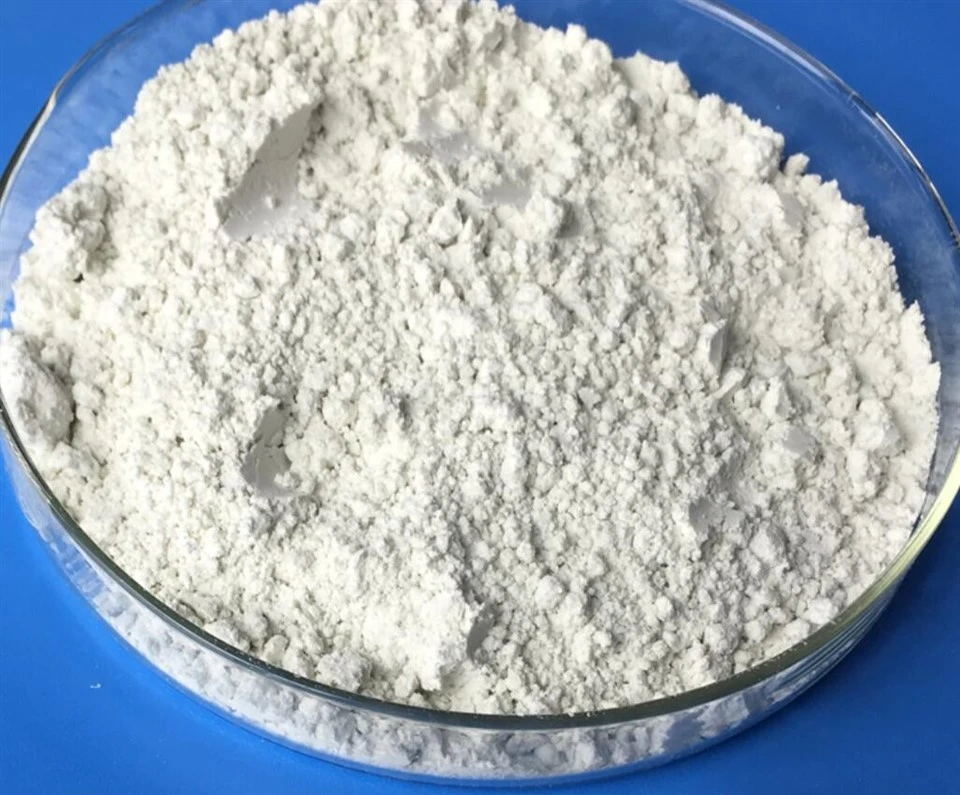

In the case of acid mine drainage, active and passive treatment systems can be used. Active treatment involves the addition of chemicals such as lime or sodium hydroxide to neutralize the acid and precipitate the metals. Passive treatment systems, on the other hand, rely on natural processes such as the use of wetlands and constructed treatment ponds to remove contaminants.
In agriculture, more sustainable farming practices can be adopted. This includes the proper use of fertilizers to minimize runoff. Precision agriculture techniques can be used to apply fertilizers only where and when they are needed, reducing the amount of excess sulfates that enter waterways.
Conclusion
As a sulfate supplier, I understand the importance of balancing the benefits and risks associated with sulfates. While sulfates have valuable applications in many industries, we must be aware of their potential impacts on aquatic life. By implementing appropriate management strategies, we can minimize the negative effects and ensure the long - term health of our aquatic ecosystems.
If you are interested in purchasing high - quality sulfates for your industrial or agricultural needs, we are here to provide you with the best products and services. Contact us to start a procurement discussion, and let's work together to find the most suitable sulfate solutions for your requirements.
References
- Alloway, B. J. (2013). Heavy metals in soils: Trace metals and metalloids in soils and their bioavailability. Springer Science & Business Media.
- Nordstrom, D. K., & Alpers, C. N. (1999). Geochemistry of acid mine drainage. In Environmental aspects of sulfide mineral oxidation (pp. 3 - 35). Springer, Boston, MA.
- Smith, V. H., Tilman, G. D., & Nekola, J. C. (1999). Eutrophication: impacts of excess nutrient inputs on freshwater, marine, and terrestrial ecosystems. Environmental Pollution, 100(1 - 3), 179 - 196.


