

Phosphate plays a crucial role in the production of glass, offering a wide range of benefits that enhance the properties and performance of various glass products. As a leading phosphate supplier, we understand the significance of phosphate in the glass industry and are committed to providing high - quality phosphate products to meet the diverse needs of our customers. In this blog, we will explore how phosphate is used in the production of glass, its functions, and the types of phosphate commonly employed.
The Role of Phosphate in Glass Production
Modifying Glass Properties
Phosphate can significantly modify the physical and chemical properties of glass. When added to the glass - making mixture, it can lower the melting point of the glass batch. This is particularly beneficial as it reduces the energy consumption during the melting process. Lower melting points mean that less heat is required to transform the raw materials into molten glass, leading to cost savings and a more environmentally friendly production process.
Moreover, phosphate can improve the chemical durability of glass. Glass products are often exposed to various chemical substances in their applications. By incorporating phosphate, the glass becomes more resistant to corrosion from acids, alkalis, and other chemicals. This enhanced chemical resistance makes the glass suitable for use in harsh chemical environments, such as in laboratory glassware and chemical storage containers.
Controlling Viscosity
Viscosity is a critical factor in glass production. It affects the shaping and forming processes of glass. Phosphate can act as a viscosity modifier. During the melting stage, it helps to adjust the viscosity of the molten glass to an optimal level. This allows for easier pouring, blowing, and molding of the glass into different shapes. For example, in the production of glass bottles, the right viscosity ensures that the glass can be evenly distributed and formed into the desired bottle shape without defects.
Improving Optical Properties
In some types of glass, especially optical glass, phosphate can enhance the optical properties. It can increase the refractive index of the glass, which is important for applications such as lenses and prisms. A higher refractive index allows for better light - bending capabilities, enabling the design of more compact and efficient optical devices. Additionally, phosphate can reduce the dispersion of light in the glass, resulting in less chromatic aberration and clearer images.
Types of Phosphate Used in Glass Production
Diammonium Phosphate
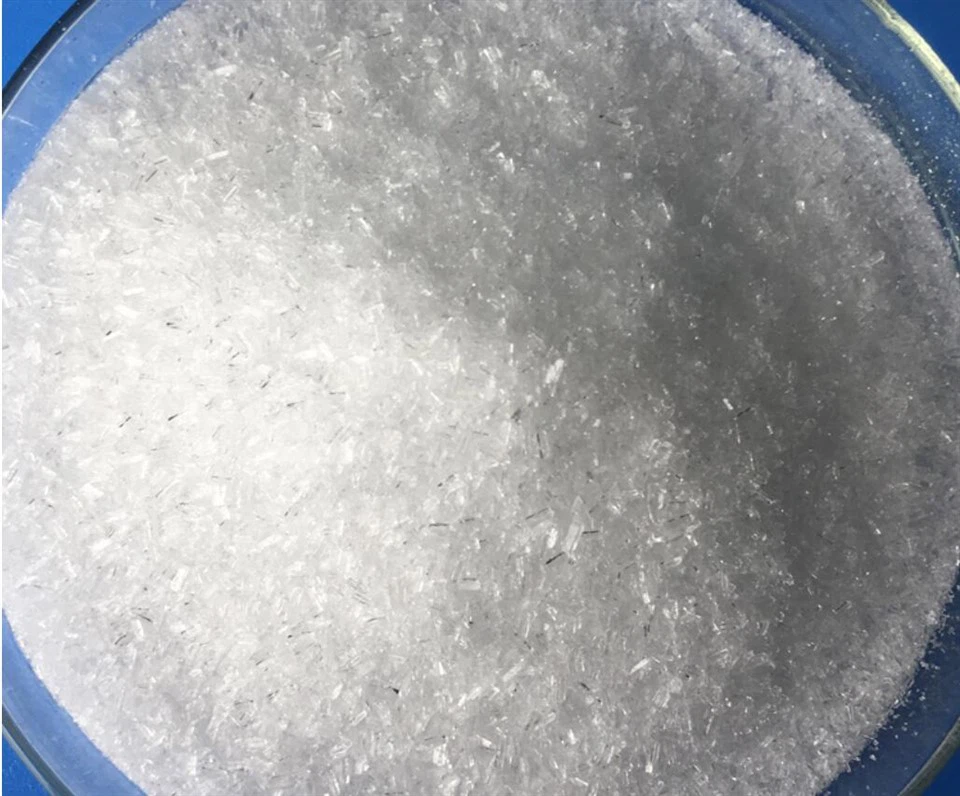
Diammonium Phosphate is a commonly used phosphate in glass production. It is a white crystalline powder that is highly soluble in water. When added to the glass batch, diammonium phosphate decomposes at high temperatures, releasing ammonia gas and leaving behind phosphate ions. These phosphate ions then participate in the glass - forming reactions.
Diammonium phosphate is often used in the production of specialty glasses, such as those with low melting points and high chemical durability. It can also contribute to the improvement of the mechanical properties of the glass, making it stronger and more resistant to breakage.
Dipotassium Phosphate
Dipotassium Phosphate is another important phosphate in the glass industry. It is a potassium salt of phosphoric acid and is available in both anhydrous and hydrated forms. Dipotassium phosphate can act as a fluxing agent, similar to diammonium phosphate. It helps to lower the melting temperature of the glass batch and improve the fluidity of the molten glass.
In addition to its fluxing properties, dipotassium phosphate can also influence the electrical properties of glass. It is sometimes used in the production of glasses for electronic applications, where specific electrical conductivity and dielectric properties are required.
Disodium Phosphate
Disodium Phosphate is widely used in glass production due to its relatively low cost and good solubility. It exists in different hydrates, with the dodecahydrate being the most common form. When heated during the glass - making process, disodium phosphate loses its water of crystallization and participates in the formation of the glass network.
Disodium phosphate is often used in the production of soda - lime glass, which is the most common type of glass used in everyday products such as windows, bottles, and tableware. It helps to improve the workability of the glass and enhances its chemical resistance.
The Glass - Making Process with Phosphate
Batch Preparation
The first step in glass production is the preparation of the glass batch. This involves mixing the raw materials, including silica sand, soda ash, limestone, and phosphate compounds. The proportions of these materials are carefully calculated based on the desired properties of the final glass product. Our phosphate products are precisely formulated to ensure consistent quality and performance in the glass - making process.
Melting
The glass batch is then loaded into a furnace and heated to high temperatures, typically between 1400 - 1600 degrees Celsius. During this melting process, the phosphate compounds decompose and react with the other raw materials to form a homogeneous molten glass. The presence of phosphate helps to lower the melting point and control the viscosity of the molten glass, as mentioned earlier.
Forming
Once the molten glass reaches the appropriate viscosity, it is shaped into the desired form. There are several forming methods, such as blowing, pressing, and rolling. The phosphate - modified glass can be easily formed using these methods due to its optimized viscosity and flow properties.
Annealing
After forming, the glass product is slowly cooled in an annealing furnace to relieve internal stresses. This step is crucial to prevent the glass from cracking or breaking during subsequent handling and use. Phosphate - containing glass can have better annealing characteristics, which contribute to the overall quality and durability of the final product.
Quality Assurance and Technical Support
As a phosphate supplier, we are dedicated to providing high - quality products to our customers in the glass industry. Our phosphate products undergo strict quality control measures to ensure that they meet the highest standards. We have a team of experienced technicians and scientists who can offer technical support to our customers. Whether it is advice on the selection of the right phosphate product for a specific glass application or assistance with optimizing the glass - making process, we are here to help.
Conclusion
Phosphate is an essential ingredient in the production of glass, offering numerous benefits in terms of modifying glass properties, controlling viscosity, and improving optical and chemical characteristics. Our company, as a reliable phosphate supplier, is committed to providing the best - quality phosphate products to the glass industry. We understand the unique requirements of glass manufacturers and strive to meet their needs with innovative solutions.
If you are in the glass production business and are looking for a high - quality phosphate supplier, we would be delighted to discuss your requirements. Contact us to start a procurement negotiation and discover how our phosphate products can enhance the quality and efficiency of your glass production process.

References
- Doremus, R. H. (1994). Glass Science. John Wiley & Sons.
- Shelby, J. E. (2005). Introduction to Glass Science and Technology. Royal Society of Chemistry.
- Varshneya, A. K. (1994). Fundamentals of Inorganic Glasses. Academic Press.


