

Gluconate is a salt of gluconic acid, which is derived from glucose through a fermentation process. It has a wide range of applications in various industries, including food, pharmaceuticals, and cosmetics. As a gluconate supplier, I often receive inquiries about whether gluconate can be used in oral hygiene products. In this blog post, I will explore the potential uses of gluconate in oral hygiene products, its benefits, and considerations for its application.
The Chemistry of Gluconate
Gluconate salts are formed when gluconic acid reacts with a metal ion. Common gluconate salts include calcium gluconate, potassium gluconate, ferrous gluconate, and manganese gluconate. These salts are highly soluble in water, which makes them suitable for use in aqueous-based products such as oral hygiene solutions.
The gluconate ion has a unique structure that allows it to chelate metal ions. Chelation is a process where a molecule binds to a metal ion, forming a stable complex. This property of gluconate can be beneficial in oral hygiene products, as it can help to remove metal ions from the oral cavity, which may contribute to the formation of dental plaque and tartar.
Potential Uses of Gluconate in Oral Hygiene Products
Antibacterial Properties
Some gluconate salts, such as zinc gluconate, have been shown to have antibacterial properties. Bacteria in the mouth can cause various oral health problems, including tooth decay, gum disease, and bad breath. By incorporating zinc gluconate into oral hygiene products, such as toothpaste or mouthwash, it may help to reduce the bacterial load in the mouth and prevent these problems.
For example, a study published in the Journal of Clinical Dentistry found that a toothpaste containing zinc gluconate was more effective in reducing plaque and gingivitis compared to a placebo toothpaste. The antibacterial activity of zinc gluconate is thought to be due to its ability to disrupt the bacterial cell membrane and inhibit bacterial enzyme activity.
Mineralization and Remineralization
Calcium gluconate is a common form of calcium supplement that can be used in oral hygiene products to promote tooth mineralization and remineralization. Tooth enamel is composed mainly of calcium and phosphate minerals. When the pH in the mouth drops due to the consumption of acidic foods and drinks, the enamel can start to demineralize, leading to tooth decay.

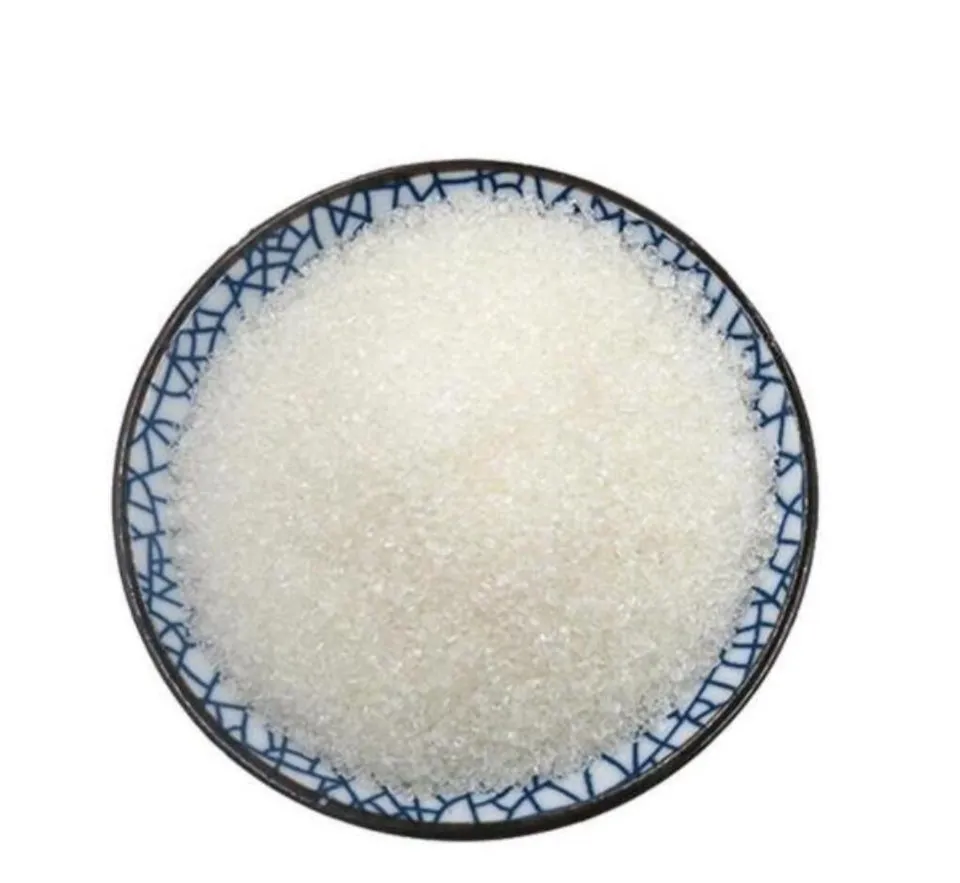
Calcium gluconate can provide a source of calcium ions that can be incorporated into the enamel, helping to remineralize the tooth and strengthen it. By using a toothpaste or mouthwash containing calcium gluconate, it may help to prevent tooth decay and maintain good oral health.
pH Regulation
The pH in the mouth can have a significant impact on oral health. A neutral or slightly alkaline pH is optimal for maintaining healthy teeth and gums. Some gluconate salts, such as sodium gluconate, can act as a buffering agent, helping to regulate the pH in the mouth.
In a mouthwash formulation, sodium gluconate can help to maintain a stable pH, preventing the mouth from becoming too acidic. This can reduce the risk of tooth decay and gum disease, as acidic conditions in the mouth can promote the growth of harmful bacteria.
Whitening
Certain gluconate salts, such as ferrous gluconate [/gluconate/ferrous - gluconate.html], may have potential applications in teeth whitening. Ferrous gluconate can react with hydrogen peroxide, a common teeth whitening agent, to form a more effective whitening complex.
When used in combination with hydrogen peroxide in a teeth whitening product, ferrous gluconate may enhance the whitening effect by increasing the reactivity of hydrogen peroxide and allowing it to penetrate the tooth enamel more effectively.
Benefits of Using Gluconate in Oral Hygiene Products
Safety
Gluconate salts are generally considered to be safe for use in oral hygiene products. They are well - tolerated by the body and have a low toxicity profile. Most gluconate salts are used in the food and pharmaceutical industries, which indicates their safety for human consumption.
Compatibility
Gluconate salts are highly compatible with other ingredients commonly used in oral hygiene products, such as surfactants, flavoring agents, and thickeners. This makes them easy to incorporate into various formulations without causing any compatibility issues.
Solubility
As mentioned earlier, gluconate salts are highly soluble in water. This property makes them easy to dissolve in oral hygiene products, ensuring uniform distribution of the active ingredient and consistent performance.
Considerations for Using Gluconate in Oral Hygiene Products
Concentration
The concentration of gluconate in oral hygiene products needs to be carefully optimized. Too low a concentration may not provide the desired benefits, while too high a concentration may cause side effects, such as taste alterations or irritation to the oral mucosa.
Formulation
The formulation of the oral hygiene product can also affect the performance of gluconate. For example, the presence of other ingredients in the product may interact with gluconate and affect its stability or activity. Therefore, it is important to conduct thorough formulation studies to ensure the optimal performance of gluconate in the product.
Regulatory Compliance
When using gluconate in oral hygiene products, it is important to ensure compliance with relevant regulatory requirements. Different countries and regions may have different regulations regarding the use of gluconate in oral care products, including maximum allowable concentrations and labeling requirements.
Specific Gluconate Salts and Their Applications in Oral Hygiene
Potassium Gluconate [/gluconate/potassium - gluconate.html]
Potassium gluconate can be used in oral hygiene products to help regulate the ionic balance in the mouth. It can also have a soothing effect on the gums, which may be beneficial for people with sensitive gums. Additionally, potassium ions can help to reduce the sensitivity of teeth by blocking the nerve endings in the dentin.
Manganese Gluconate [/gluconate/manganese - gluconate.html]
Manganese is an essential trace element that plays a role in various enzymatic reactions in the body. Manganese gluconate can be incorporated into oral hygiene products to support overall oral health. It may have antioxidant properties, which can help to protect the oral tissues from oxidative stress and inflammation.
Conclusion
In conclusion, gluconate has great potential for use in oral hygiene products. Its antibacterial, mineralization, pH - regulating, and whitening properties make it a valuable ingredient for promoting oral health. As a gluconate supplier, I am committed to providing high - quality gluconate products that can meet the needs of the oral hygiene industry.
If you are interested in incorporating gluconate into your oral hygiene products, I encourage you to contact me for further information and to discuss potential procurement opportunities. We can work together to develop customized solutions that meet your specific requirements and help you create effective and innovative oral hygiene products.
References
- Journal of Clinical Dentistry. "Efficacy of a zinc gluconate-containing toothpaste in reducing plaque and gingivitis."
- Various research studies on the properties and applications of gluconate salts in oral care.


