

Gluconate is a salt of gluconic acid, which is a mild organic acid derived from glucose. It is commonly used in various industries, including food, pharmaceuticals, and cosmetics. As a gluconate supplier, I often receive inquiries about the potential use of gluconate for treating skin conditions. In this blog post, I will explore the scientific evidence behind the use of gluconate in dermatology and discuss its potential benefits and limitations.
Understanding Gluconate
Gluconate salts are formed when gluconic acid reacts with a metal ion, such as calcium, magnesium, zinc, or manganese. These salts are highly soluble in water and have a relatively low toxicity, making them suitable for a wide range of applications. In the context of skin care, gluconate salts are often used for their moisturizing, antioxidant, and anti - inflammatory properties.
Types of Gluconate and Their Potential Skin Benefits
Zinc Gluconate
Zinc is an essential mineral that plays a crucial role in many biological processes, including wound healing, immune function, and skin health. Zinc Gluconate is a well - absorbed form of zinc that has been studied for its potential benefits in treating various skin conditions.
- Acne Treatment: Zinc has anti - inflammatory and antibacterial properties, which can help reduce the redness, swelling, and infection associated with acne. It may also regulate sebum production, the oily substance that can clog pores and lead to acne breakouts. Some studies have shown that topical zinc gluconate formulations can be effective in reducing acne lesions when used in combination with other acne treatments.
- Wound Healing: Zinc is involved in the synthesis of collagen, a protein that is essential for wound repair. Zinc gluconate can promote the migration of fibroblasts, the cells responsible for producing collagen, and enhance the overall wound - healing process. This makes it a potential ingredient in products designed to treat cuts, burns, and other skin injuries.
Manganese Gluconate
Manganese is another trace mineral that is important for skin health. Manganese Gluconate is a bioavailable form of manganese that can offer several benefits for the skin.
- Antioxidant Activity: Manganese is a component of the antioxidant enzyme manganese superoxide dismutase (MnSOD). This enzyme helps protect cells from oxidative stress by neutralizing free radicals, which are unstable molecules that can damage skin cells and contribute to aging, inflammation, and other skin problems. By providing a source of manganese, manganese gluconate can support the body's natural antioxidant defenses and help maintain healthy skin.
- Skin Elasticity: Manganese is also involved in the synthesis of glycosaminoglycans (GAGs), which are molecules that help maintain the skin's moisture and elasticity. Adequate manganese levels can contribute to the production of GAGs, resulting in smoother, more supple skin.
Potassium Gluconate
Potassium is an electrolyte that is essential for maintaining proper cell function and fluid balance in the body. Potassium Gluconate can have several benefits for the skin.
- Moisture Retention: Potassium helps regulate the movement of water in and out of cells. In the skin, it can contribute to the maintenance of proper hydration levels, preventing dryness and flakiness. Topical application of potassium gluconate may help improve the skin's moisture barrier function, keeping the skin soft and smooth.
- Anti - Inflammatory Effects: Potassium plays a role in modulating the inflammatory response in the body. By maintaining proper potassium levels, potassium gluconate may help reduce inflammation in the skin, which can be beneficial for conditions such as eczema and psoriasis.
Scientific Evidence for Gluconate in Skin Conditions
While there is some evidence to support the use of gluconate salts in treating skin conditions, more research is needed to fully understand their effectiveness and optimal use.
- Clinical Studies: Some clinical trials have investigated the use of zinc gluconate in acne treatment. For example, a study published in the Journal of Dermatological Treatment found that a topical zinc gluconate gel was effective in reducing acne lesions compared to a placebo. However, the sample sizes of these studies are often relatively small, and more large - scale, well - controlled trials are required to confirm the results.
- In - Vitro and Animal Studies: In - vitro and animal studies have provided some insights into the mechanisms of action of gluconate salts in the skin. For instance, studies on manganese gluconate have demonstrated its antioxidant and anti - inflammatory effects at the cellular level. However, the results of these studies may not always translate directly to human skin.
Limitations and Considerations
- Individual Variation: The effectiveness of gluconate in treating skin conditions can vary from person to person. Factors such as the severity of the skin condition, the individual's overall health, and their skin type can all influence the response to treatment.
- Side Effects: Although gluconate salts are generally considered safe, some people may experience side effects such as skin irritation, redness, or itching when using topical gluconate products. It is important to perform a patch test before using any new skin care product containing gluconate.
- Combination Therapies: Gluconate is often used in combination with other ingredients to enhance its effectiveness. For example, zinc gluconate may be combined with benzoyl peroxide or salicylic acid in acne treatments. The optimal combination and dosage of these ingredients need to be carefully determined.
Conclusion
In conclusion, gluconate salts such as zinc gluconate, manganese gluconate, and potassium gluconate have the potential to offer several benefits for the skin. Their moisturizing, antioxidant, and anti - inflammatory properties make them promising ingredients for treating various skin conditions, including acne, eczema, and wound healing. However, more research is needed to establish their effectiveness and safety in a wider range of skin conditions and populations.

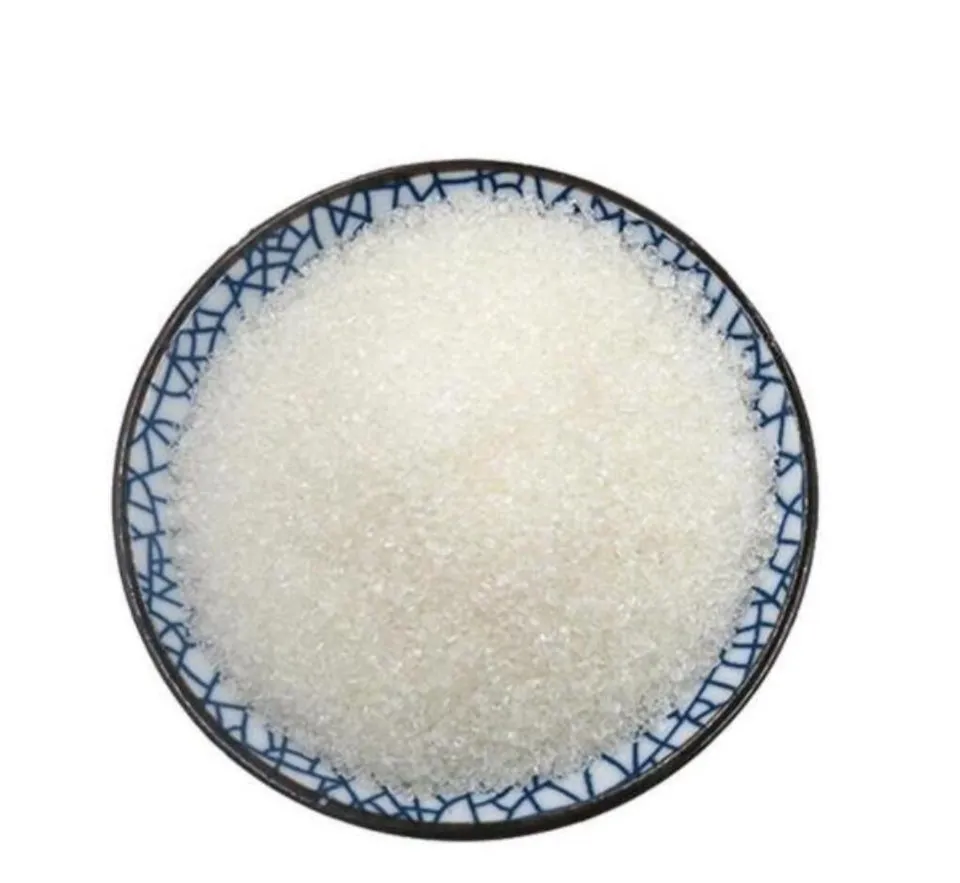
As a gluconate supplier, I am committed to providing high - quality gluconate products that meet the needs of the skin care industry. If you are interested in learning more about our gluconate products or discussing potential applications in skin care, I encourage you to contact us for further information and to start a procurement discussion.
References
- Journal of Dermatological Treatment (study on zinc gluconate for acne)
- Research on the antioxidant and anti - inflammatory effects of manganese gluconate at the cellular level (specific citation needed)


